Perfect For Your Dog




Brands We Stock














You Might Also Be Interested In

Dog Advice and Guides

Dogs
Travelling by Car with a Dog: A UK Owner’s Guide
Whether it's a trip to the vet or a fortnight away, travelling by car with a dog is…
Read More
Dogs
How to Calm a Dog Scared of Fireworks
If your dog trembles, hides or paces the moment the first bang goes off, you're not alone. Working…
Read More
Dogs
Is Salmon Oil Good for Dogs?
If you've searched is salmon oil good for dogs, you've probably seen plenty of glowing reviews from brands…
Read MoreWhy Dog Dental Health Matters
Dental disease is one of the most common health problems in dogs, affecting the majority of dogs over the age of three. The good news is that it is almost entirely preventable with a consistent at-home routine, and even a modest effort makes a significant difference over time.
- Dental disease affects most dogs over three and is largely preventable with regular care: it is one of the most impactful things an owner can do for their dog’s long-term health
- Left untreated, dental disease causes pain, tooth loss and can contribute to wider health problems including heart and kidney issues as bacteria from the mouth enters the bloodstream
- Daily brushing is the gold standard for dog dental care, but brushing even a few times a week is far better than not at all
- Dental chews, water additives and oral sprays can supplement brushing and are a useful starting point for dogs not yet used to having their teeth cleaned
How to Clean Your Dog’s Teeth
Introducing tooth brushing gradually and positively is the key to making it a sustainable part of your dog’s routine. Most dogs can be taught to tolerate and eventually accept brushing with a little patience.
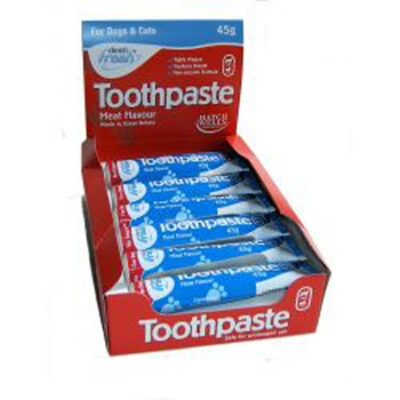
- Always use a dog-specific toothbrush, either a finger brush or a handled brush, and dog-formulated toothpaste: human toothpaste contains xylitol and fluoride which are toxic to dogs
- Introduce brushing gradually: let your dog lick the toothpaste first, then progress to the brush over several short sessions before attempting a full brush
- Aim for daily brushing and build up to this gradually if your dog is new to the routine, keeping sessions short and positive to begin with
- Reward your dog after each session with praise or a treat to reinforce a positive association with the process
- For dogs that will not tolerate brushing, dental chews and water additives provide a useful alternative starting point for improving oral hygiene
Frequently Asked Questions
Daily brushing with a dog-specific toothbrush and toothpaste is the most effective method. Introduce it gradually from puppyhood for the best long-term results. Dental chews and water additives are a useful complement to brushing but are not a substitute for it.
No. Human toothpaste contains xylitol and fluoride, both of which are toxic to dogs. Always use a toothpaste specifically formulated for dogs. Dog toothpaste is safe to swallow and comes in flavours that dogs find appealing, making the brushing process easier.
Yes, dental chews can help reduce plaque and tartar when used regularly as part of a wider dental routine. They are a good complement to brushing but should not replace it entirely. Look for products that carry the VOHC (Veterinary Oral Health Council) seal of approval.
Yes, we stock a range of dog dental products including toothbrushes, toothpaste, dental chews and water additives in our Newcastle-under-Lyme store and online. Free local delivery is available for Newcastle-under-Lyme customers.