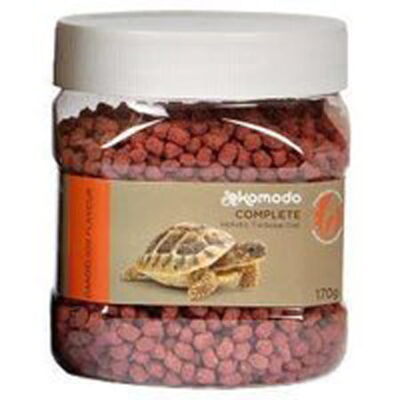
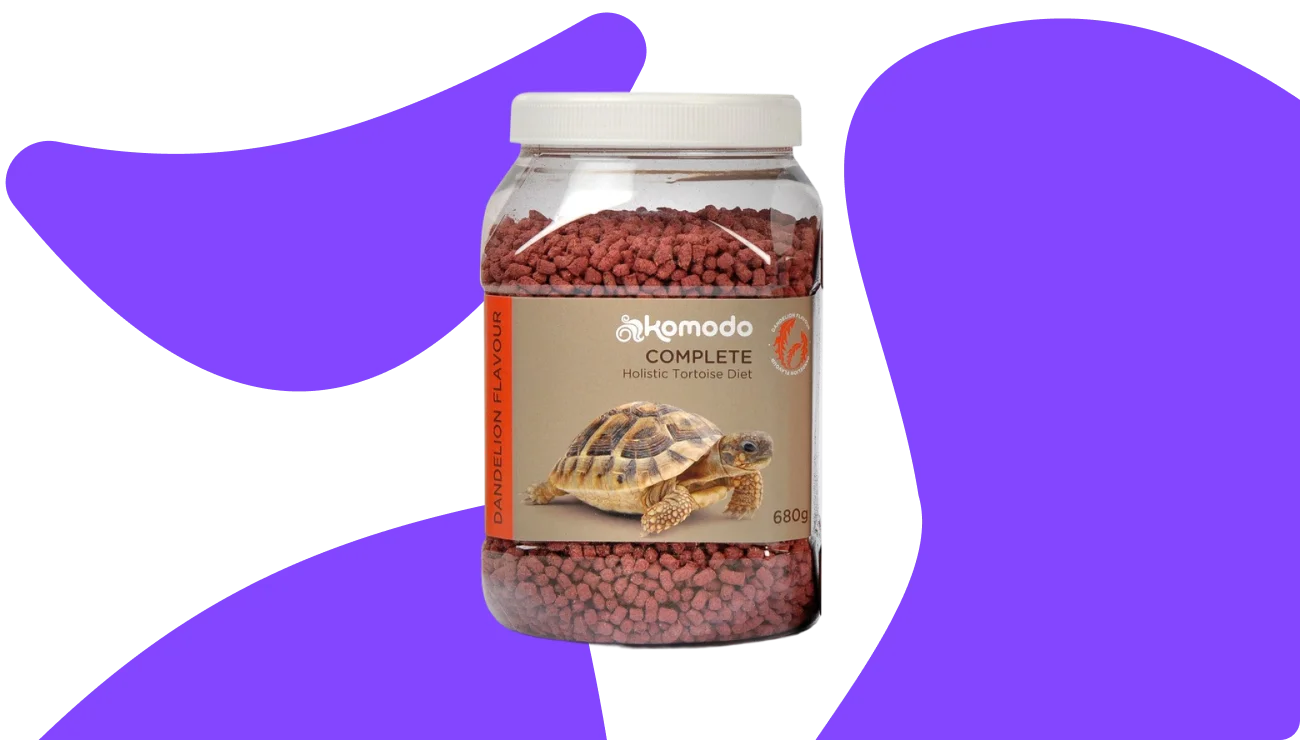
We Think Your Tortoise Will Love
Brands We Stock












You Might Also Be Interested In


Small Animal Advice and Guides

Small Animals
What Do Ferrets Eat? A Complete UK Feeding Guide for Owners
Wondering what do ferrets eat and whether you're getting your ferret's diet right? You're not alone. Ferrets have…
Read More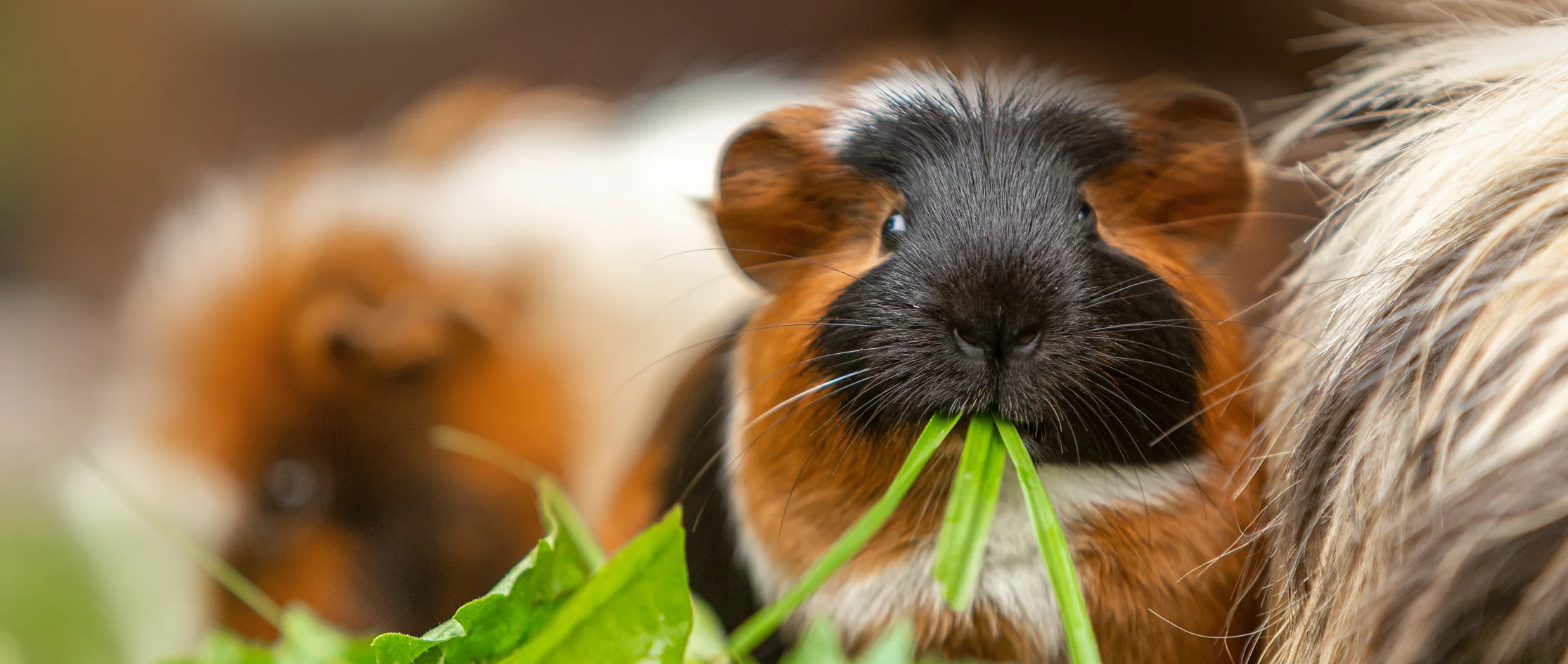
Small Animals
What Do Guinea Pigs Eat? A Complete Feeding Guide for UK Owners
If you have just brought a guinea pig home, or you are thinking about getting one, one of…
Read More
Birds • Cats • Dogs • Small Animals
Pet odour candles are available from our store today
Pet Odour Candles are specially formulated enzyme products, designed to attack and remove odours while smelling fantastic
Read MoreWhat Do Tortoises Eat?
Tortoises are long-lived animals whose dietary needs are closely tied to their natural habitat and species of origin. Getting the diet right is an important part of keeping a tortoise that remains healthy over what can be a very long lifetime indeed.
The natural tortoise diet
The foundation of a good tortoise diet is understanding what these animals are designed to eat in the wild and replicating it as closely as possible.
- Most tortoise species commonly kept as pets in the UK are herbivores that naturally graze on a diverse variety of weeds, grasses and leafy plants over the course of each day
- A diet high in fibre and calcium and low in protein and fat most closely matches their natural feeding behaviour and supports long-term organ and shell health
- Suitable plants include dandelion, plantain and clover alongside other tortoise-safe weeds: avoid high-oxalate plants such as spinach, which can interfere with calcium absorption
- Fruit should be avoided for most commonly kept tortoise species such as Horsfield’s and Hermann’s tortoises, as it is not part of their natural diet and the high sugar content can cause digestive disturbance and encourage harmful gut bacteria
Complete tortoise food and supplements
During periods when fresh plant material is unavailable, commercial tortoise food provides a practical and nutritionally sound alternative.
- Commercial tortoise food and pellets provide a convenient, nutritionally balanced supplement when fresh plant material is unavailable, particularly during winter or in early spring
- Calcium and vitamin D3 supplementation is important for bone and shell health, particularly for tortoises kept indoors or in the UK climate where natural UVB exposure is limited
- Species matters: Mediterranean species such as Horsfield’s and Hermann’s tortoises have different requirements to tropical varieties, and food choices should reflect this
Why Buy Tortoise Food from Newcastle Pets?
Newcastle Pets stocks tortoise-specific food and supplements, and our team can advise on appropriate food and supplementation for different tortoise species. Tortoises are not an afterthought in our range.
- Tortoise-specific food and dietary supplements stocked for common UK tortoise species
- Our in-store team can advise on appropriate food and supplementation for your specific tortoise species and age
- Free local delivery for Newcastle-under-Lyme customers
Frequently Asked Questions
Most pet tortoise species are herbivores that need a high-fibre, low-protein diet based on leafy greens and tortoise-safe weeds such as dandelion and plantain. Commercial tortoise food and pellets can supplement fresh plant material. Calcium and vitamin D3 supplementation is also important for shell and bone health.
Most Mediterranean tortoise species kept in the UK should not eat fruit regularly. It is not part of their natural diet and the high sugar content can cause digestive upset and encourage harmful bacteria in the gut. Stick to leafy greens, appropriate weeds and tortoise-specific food.
Yes, calcium and vitamin D3 supplementation is important for tortoises, particularly those kept indoors or in the UK climate where natural UVB exposure is limited. Dust food with a calcium supplement several times a week to support shell and bone health throughout the year.
Yes, we stock tortoise food and dietary supplements in our Newcastle-under-Lyme store and online. Free local delivery is available for Newcastle-under-Lyme customers.