
We Think Your Dog Will Love


Brands We Stock















You Might Also Be Interested In





Dog Advice and Guides
Dogs
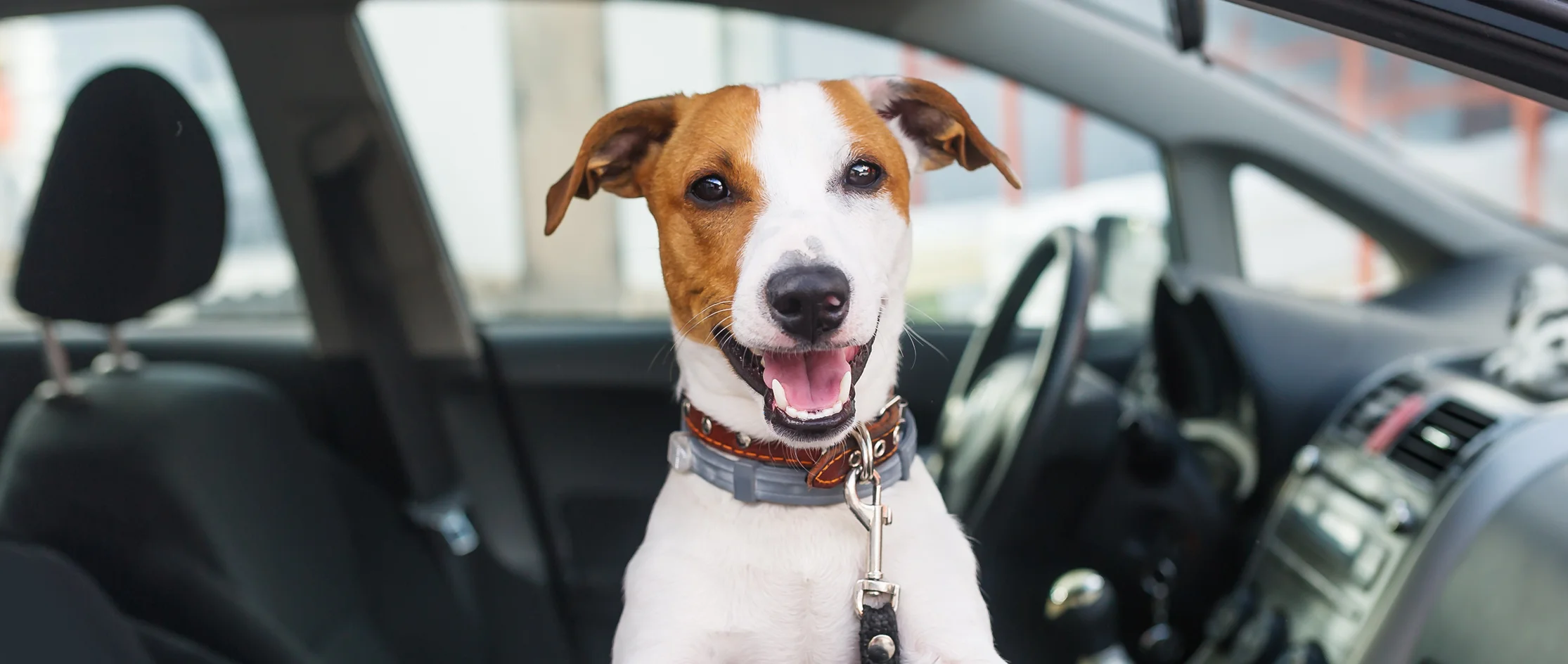
Travelling by Car with a Dog: A UK Owner’s Guide
Whether it's a trip to the vet or a fortnight away, travelling by car with a dog is…
Read More
Dogs
How to Calm a Dog Scared of Fireworks
If your dog trembles, hides or paces the moment the first bang goes off, you're not alone. Working…
Read More
Dogs
Is Salmon Oil Good for Dogs?
If you've searched is salmon oil good for dogs, you've probably seen plenty of glowing reviews from brands…
Read MoreChoosing the Right Dog Crate
Choosing the right crate for your dog depends on your living situation, what you’ll be using it for and your dog’s size, temperament and chewing habits. Getting these details right from the start means your dog is comfortable, safe and more likely to settle in their crate quickly.
Types of dog crates
There are several different crate types available, each with a different set of benefits. Understanding what sets them apart helps you choose the right one for your dog and your home.
- Wire crates: versatile, well-ventilated and foldable for easy storage; the most popular everyday choice for home use and suitable for most dogs and living situations
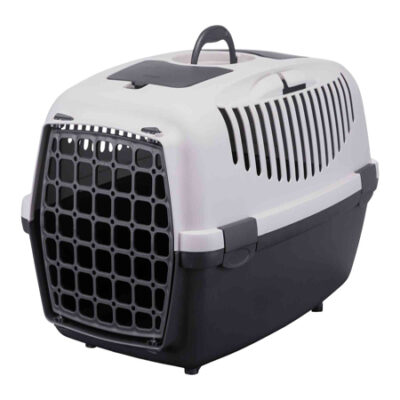
- Plastic travel crates: enclosed and typically airline-approved, ideal for travel and for anxious dogs that prefer a more enclosed, den-like environment with less visual stimulation
- Heavy-duty crates: robust, reinforced options with stronger construction, designed for strong dogs or those that are prone to attempting to escape from standard crates
- Furniture crates: stylish options designed to blend seamlessly into the home, typically finished in wood or rattan to look like a piece of furniture rather than a pet product
Getting the right crate size
Sizing is one of the most important decisions when buying a crate. A crate that’s too small is uncomfortable; one that’s excessively large can actually slow down toilet training in puppies.
- Your dog should be able to stand fully upright, turn around comfortably and lie down fully stretched without being cramped in any direction
- For puppies, buy a crate large enough for their estimated adult size and use a divider panel to reduce the internal space initially during toilet training
- Too large a crate can undermine toilet training, as puppies may use one end as a toilet area rather than holding on until they are taken outside
Crate Training: Making the Crate a Safe Space
A crate is not a punishment. When introduced gradually and positively, a crate becomes a secure, comfortable space that your dog actively chooses to use, which can reduce anxiety and destructive behaviour when they are left alone. Here’s how to get started the right way.
- Introduce the crate gradually and positively from the very beginning: never force your dog inside or expect them to settle instantly, as this creates a negative association that is very hard to undo
- Place familiar bedding and a favourite toy inside to encourage a positive connection with the crate space from the first day
- Feed meals inside the crate to build a strong, positive association with being in it over the first few days and weeks
- Begin with short sessions with the door open and your dog free to leave, gradually increasing the duration as your dog relaxes and settles more confidently
- A well crate-trained dog has a safe refuge they choose to return to, which reduces anxiety and gives them a consistent, secure space when left alone
Dog Crates in Newcastle-under-Lyme
If you’re looking for a dog crate or kennel in Newcastle-under-Lyme and the surrounding Staffordshire area, Newcastle Pets stocks a range of wire crates, travel crates and plastic kennels to suit puppies and adult dogs of all sizes. Our team can help you work out the right type and size for your specific dog and living situation, so you can feel confident you’re buying the right thing first time.
- Our in-store team can advise on the right crate type and size for your dog and home setup, and help new owners understand the basics of positive crate training
- We stock a range of wire crates, plastic travel crates and kennel options suitable for puppies through to large adult dogs
- Free local delivery is available for Newcastle-under-Lyme customers, with our full range stocked in store
Frequently Asked Questions
No. When introduced with patience and positive reinforcement, a crate provides your dog with a secure, private space to rest and retreat to whenever they need it. Dogs are naturally drawn to den-like spaces. The key is to build a positive association gradually, so your dog chooses to use their crate rather than being forced into it.
Your dog should be able to stand fully upright, turn around comfortably and lie down fully stretched inside the crate without being cramped. For puppies, buy the size your dog will need as an adult and use a divider panel to reduce the internal space during toilet training. Our team can help you choose the right size in store.
Adult dogs should not be left in a crate for more than 4 hours at a time during the day. Puppies under 6 months should not be left for more than 2 hours. Always make sure your dog has been exercised and had the opportunity to toilet before being crated, and never use the crate as a way of avoiding exercise or company.
Yes, we stock a range of dog crates and kennels in our Newcastle-under-Lyme store and online. Free local delivery is available for Newcastle-under-Lyme customers.