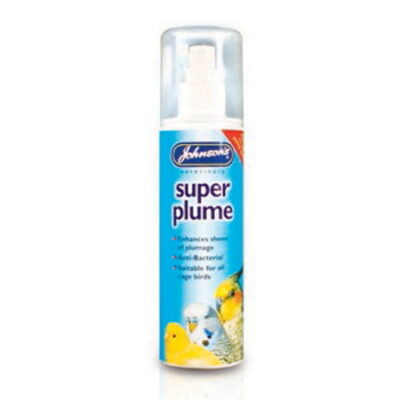

Ideal For Your Caged Birds’ Health

Brands We Stock












You Might Also Be Interested In


Bird Advice and Guides

Birds
The Complete Guide to Bird Feeding in Your Garden
Around half of all UK households feed garden birds at some point during the year. It is one…
Read More
Birds • Cats • Dogs • Small Animals
Pet odour candles are available from our store today
Pet Odour Candles are specially formulated enzyme products, designed to attack and remove odours while smelling fantastic
Read MoreKeeping Your Caged Bird Healthy
One of the most important things to understand about bird health is that birds are prey animals by instinct. In the wild, showing signs of weakness makes a bird vulnerable, so they are hardwired to conceal illness for as long as possible. This means that by the time a bird appears obviously unwell, the situation may already be serious. Regular observation and prompt action are the most important tools an owner has.
- Signs of a healthy bird include bright, alert eyes, smooth well-kept feathers, active and curious behaviour, a consistent appetite and droppings that are normal in appearance and consistency
- Changes in droppings, unexplained weight loss, fluffed feathers, reduced activity or withdrawal from normal behaviour are often early signs of illness: act promptly rather than waiting to see if things improve
- Caged birds are prey animals and instinctively mask illness until they can no longer do so: subtle changes in behaviour should always be taken seriously and investigated early
- Regular daily observation of your bird’s behaviour, weight and droppings is the most reliable health monitoring tool available to an owner
- An annual health check with an avian vet is recommended even for apparently healthy birds, as birds can carry conditions with no visible symptoms that are detectable on examination
Supplements and Grooming for Caged Birds
Beyond food and housing, a few key healthcare products make a meaningful difference to long-term health, beak condition and feather quality.
- Cuttlebone provides essential calcium, supports bone health and helps keep the beak naturally trimmed through regular contact: an essential accessory for most caged bird species
- Mineral and iodine blocks support broader nutritional health and beak condition, particularly for birds on predominantly seed-based diets
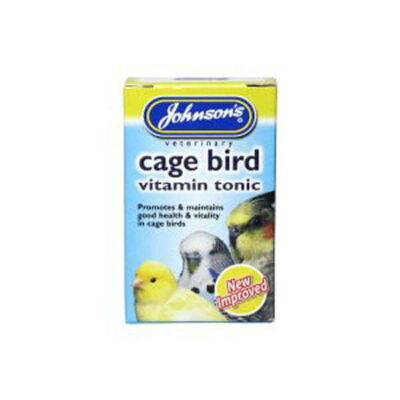
- Vitamin supplements added to water or food can address nutritional gaps in seed-based diets, which are often deficient in key vitamins; birds on complete pelleted diets generally do not require additional supplementation
- Bathing is important for feather health and condition: provide a shallow bath within the cage or mist your bird lightly with water on a regular basis
- Nail trimming may be needed periodically depending on the perch types used; our team can advise on appropriate tools and technique if you are unsure how to approach this safely
Frequently Asked Questions
Signs of illness in caged birds include fluffed feathers, reduced activity, loss of appetite, changes in droppings, discharge from the eyes or nostrils and abnormal or laboured breathing. Birds instinctively conceal illness, so even subtle changes in normal behaviour should be taken seriously. Consult an avian vet promptly rather than waiting.
Birds on seed-based diets can benefit from vitamin supplementation as seeds are nutritionally incomplete and often deficient in key vitamins A, D and K. Water-soluble vitamin supplements are a convenient everyday option. Birds already on a complete pelleted diet generally do not need additional supplementation.
Use small animal or bird-specific nail clippers and trim only the very tip of the nail, carefully avoiding the blood vessel visible inside. If you are uncertain, ask your vet or our in-store team for guidance before attempting this yourself. Providing natural wood perches of varying diameters also helps wear nails down naturally over time.
Yes, we stock bird vitamins, supplements, cuttlebone, grooming tools and healthcare products in our Newcastle-under-Lyme store and online. Free local delivery is available for Newcastle-under-Lyme customers.