Around half of all UK households feed garden birds at some point during the year. It is one of the most accessible and rewarding things you can do for local wildlife. But in 2025, the RSPB issued updated guidance that changed what responsible bird feeding looks like, and many people have not yet heard about it.
The reason is serious. A disease called trichomonosis has caused the Greenfinch population to fall by over 65% in just three decades. The 2026 Big Garden Birdwatch found Greenfinches have dropped from 7th to 18th in the list of most commonly spotted garden birds in the UK. [Source: RSPB, 2026 Big Garden Birdwatch]
The good news is that there are simple steps every garden bird feeder can take to help. This guide covers what to feed, when to feed, how to keep feeders safe, and how to set up your garden so birds can thrive.
Why the Rules Around Bird Feeding Have Changed
For years, the standard advice was to feed garden birds year round. That advice has now been updated. Research has confirmed that supplementary bird feeding can promote the spread of disease, particularly the trichomonosis parasite, when birds gather in large numbers around feeders. The risk is highest during summer and autumn.
Chaffinch populations have also been severely affected, and Bullfinch numbers may now be declining for the same reason. The RSPB’s response is clear: we can still feed garden birds, but we need to do it differently.
Their updated guidance is built around two principles: feed seasonally and feed safely.
The RSPB’s Seasonal Bird Feeding Guidance
The single biggest change in the RSPB’s guidance is when to feed seeds and peanuts. Finch species prefer seeds, and when seeds are not available they turn to peanuts. Because finches rarely eat fatballs, suet or mealworms, we consider those foods lower risk when it comes to the spread of trichomonosis. That distinction shapes the whole seasonal approach.
1 November to 30 April: Full Feeding Season
During autumn and winter, natural food becomes scarcer and the weather puts birds under more stress. This is when bird feeders make the most difference. Between November and April, you can offer the full range of garden bird food, including:
Sunflower hearts and sunflower seeds
Seed mixes and nyjer seeds
Peanuts (in a proper mesh feeder, never loose)
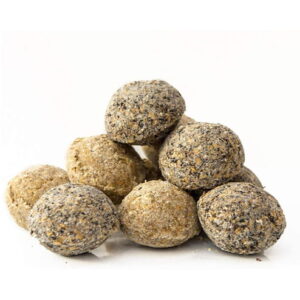
Fatballs and suet products
Mealworms (dried or soaked)
High-energy foods are especially valuable during cold snaps. Birds can lose up to 10% of their body weight overnight in cold weather, so a reliable food source first thing in the morning can make a real difference to their survival.
1 May to 31 October: Pause Seeds and Peanuts
Between May and October, the RSPB now recommends pausing the use of seeds and peanuts in your feeders. The risks of disease spreading are higher during these warmer months, and natural food including insects, berries and seeds from plants is much more abundant during this period.
During summer and autumn, you can continue to offer:
Small amounts of mealworms (soak dried mealworms in water to make them easier for nestlings to eat)
Fatballs and suet, in moderation
Suet should be heat-resistant during warm weather as standard fat balls can melt and go off quickly
The RSPB is clear that there is enough natural food available for birds during summer and autumn and that they expect birds to adapt well once seeds and peanuts are removed from feeders.
Getting the right food for your garden birds makes a big difference to which species visit and how well they do. Here is a straightforward breakdown of the most useful foods and when to use them.
Sunflower Hearts
One of the most versatile and popular bird foods available. Sunflower hearts are hulled sunflower seeds, which means no mess and no waste from shells. They attract a wide range of species including finches, sparrows and tits, and can be offered in seed feeders, on ground trays or in hanging feeders.
Feed: November to April only, following RSPB seasonal guidance.
Nyjer Seeds
Small, oil-rich seeds that are particularly loved by Goldfinches and Siskins. They need a specialist feeder with small feeding ports to prevent waste. Nyjer seeds are an excellent choice for attracting colour to your garden during the winter months.
Feed: November to April only.
Fattalls and Suet Products
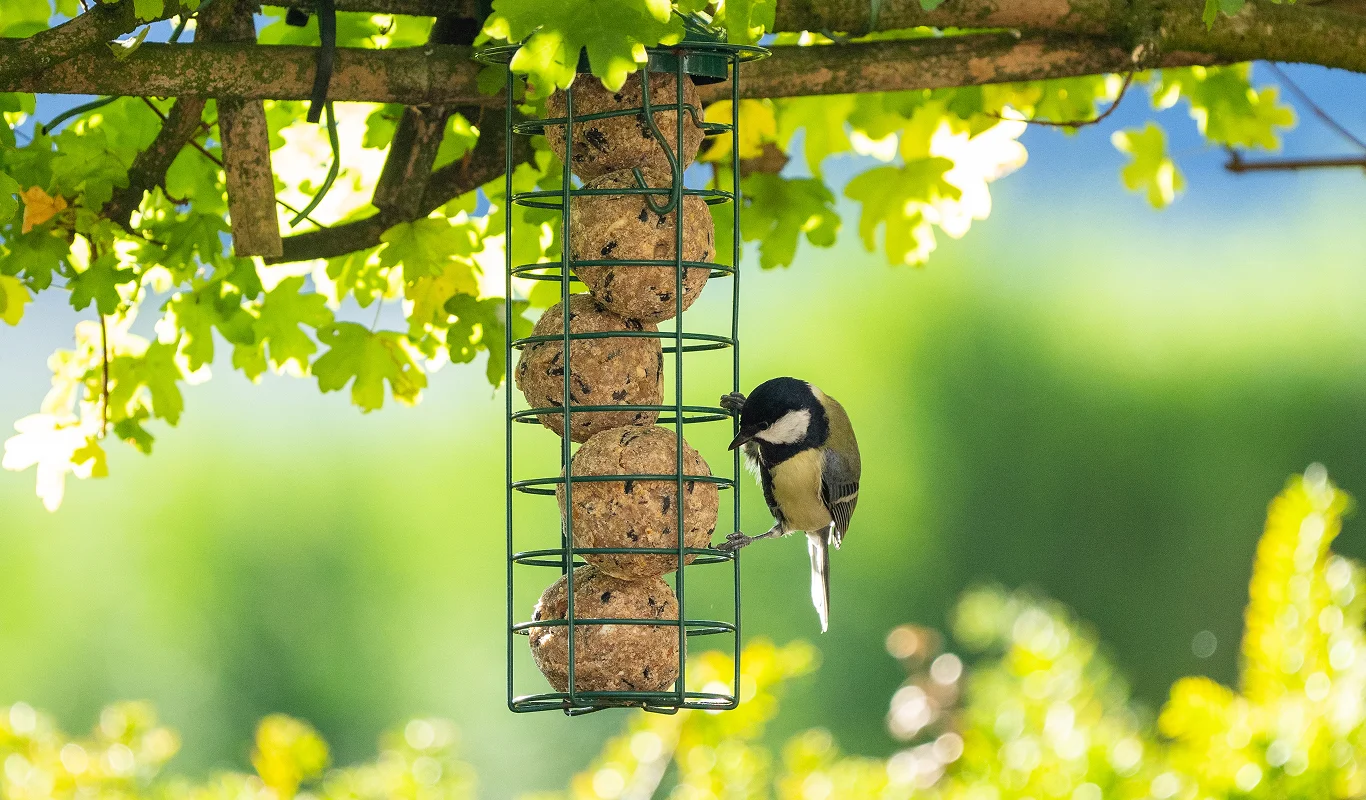
High-energy and suitable for a wide range of species. Fatballs attract birds including tits, Robins, Starlings and Wrens. Suet products can be offered year round in moderation, but during warm weather, choose products specifically designed to resist melting. Avoid homemade fat balls in summer as these can go soft and spoil quickly.
Feed: Year round in moderation.
Mealworms
Mealworms are an excellent high-protein food, especially during spring and summer when birds are moulting and rearing chicks. They are particularly popular with Robins and Blackbirds. During the breeding season, soak dried mealworms in water before offering them, as this makes them much easier for young birds and nestlings to swallow.
Feed: Year round in small amounts.
Peanuts
A high-energy food that supports Nuthatches, Woodpeckers, Sparrows and Tits. Always use a proper rigid mesh peanut feeder to prevent birds taking whole nuts, which can be a choking hazard for young birds. Only buy peanuts from a reputable supplier to avoid the risk of aflatoxin, a fungal toxin that is harmful to birds.
Feed: November to April only, following RSPB seasonal guidance.
Foods to Avoid
Some foods commonly offered to garden birds can cause harm. Avoid the following:
Salted foods of any kind, including salted peanuts and salted sunflower seeds
Cooked porridge (raw oats are fine)
Dry; hard foods in spring and summer, as parent birds may carry these back to chicks who can choke on them
Mouldy or damp food, which can spread disease and bacteria quickly
Bread, which offers little nutritional value and should be replaced with proper bird food
Whole peanuts left loose outside a feeder, due to choking risk
Feeder Hygiene: The Feeding Safety Rules That Protect Garden Birds
Keeping bird feeders clean is not optional. It is one of the most important things you can do for the birds that visit your garden. Busy feeders become hotspots for bacteria and disease if they are not regularly maintained, and trichomonosis can spread quickly through contaminated food and water. The RSPB has strengthened its hygiene guidance significantly. [Source: RSPB]
Clean feeders at least once a week using a mild disinfectant and hot water. Rinse thoroughly and allow to dry fully before refilling.
Clean away droppings and old food from beneath feeders at the same time. Build-up of debris underneath is a key disease risk.
Move feeders to a different spot every week. This prevents the accumulation of contaminated debris in one area. If you have more than one feeder, place them in separate areas to reduce crowding.
Feed in moderation. Aim for all food to be eaten within one to two days. Adjust the amount you offer based on demand.
Keep food as dry as possible. Damp food allows disease to survive and spread, so choose feeders that prevent rain getting in and limit condensation.
Wear gloves when cleaning feeders and wash your hands thoroughly afterwards. Some bird diseases can, in rare cases, pose a small risk to people.
If you spot a sick bird at your feeders, stop feeding immediately, clean all feeders thoroughly, and store them away from the garden for two to four weeks.
What Type of Bird Feeder Should You Use?
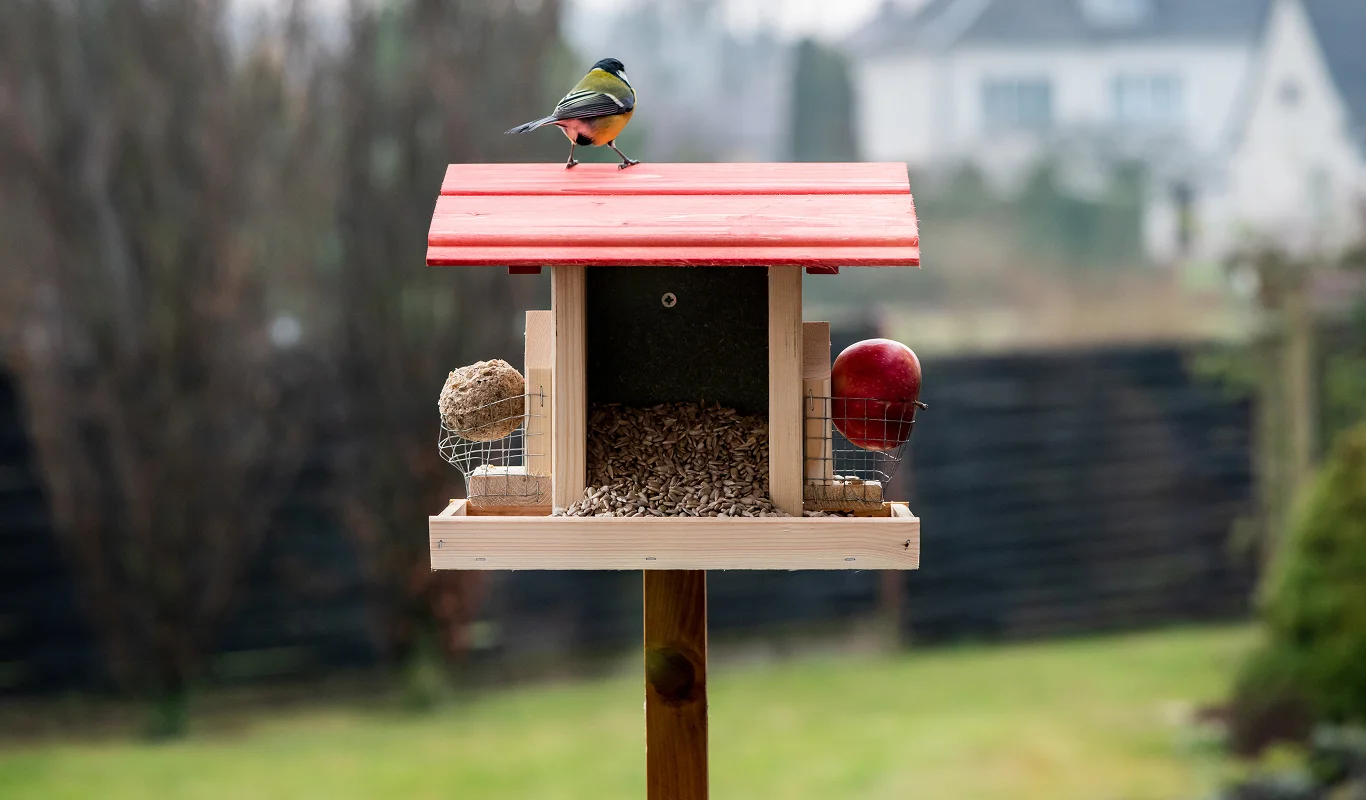
The type of feeder you use matters more than many people realise. The RSPB’s evidence review found that flat-surfaced feeders, including bird tables, window feeders and feeders with trays, carry the highest risk of disease transmission. Sick birds often perch on flat surfaces and can regurgitate contaminated food, which then sits on the surface where healthy birds pick it up.[Source: RSPB]
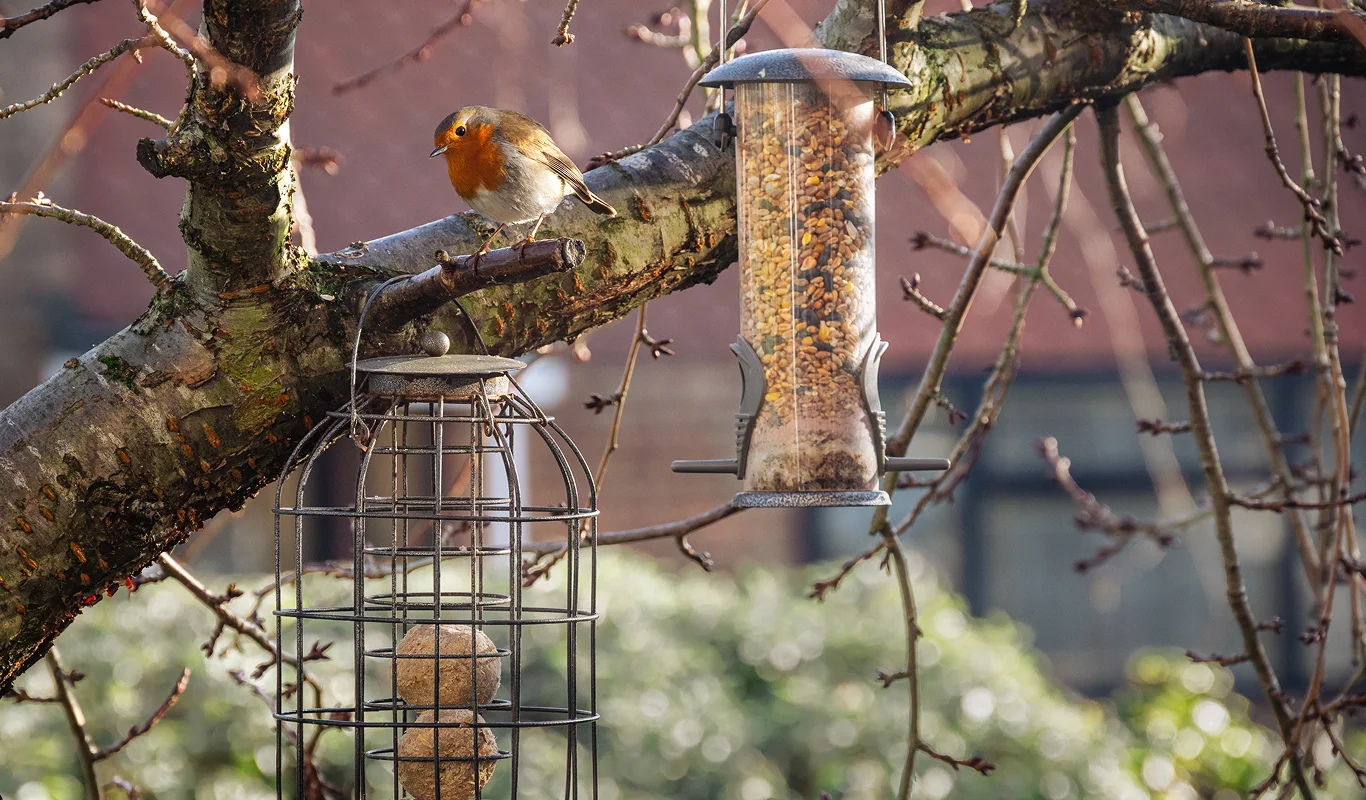
The RSPB now advises against the use of any flat-surface feeder. The safest options are:
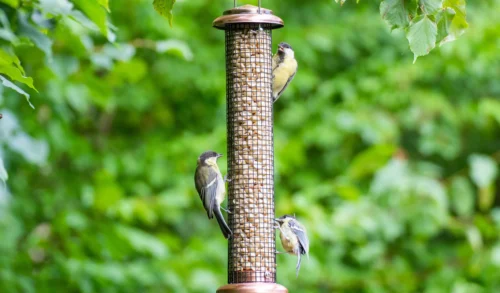
Tube or cylinder hanging feeders for seeds and sunflower hearts
Rigid steel mesh nut feeders for peanuts
Hanging cage feeders for fatballs and suet
Mesh hanging mealworm feeders for mealworms and insect-based foods
Explore our range of wild bird feeders at Newcastle Pet Supplies to find the right option for your garden.
Where to Place Your Bird Feeders
Feeder placement affects both safety and how many birds you attract. A well-positioned feeder gives birds somewhere to feed with confidence. Keep these points in mind:
Place feeders away from thick cover like bushes, where cats and other predators could hide. A couple of metres of clear space gives birds time to react.
Do not place feeders under trees or any roosting spots. Droppings from birds perched above can contaminate food below.
Position feeders somewhere reasonably quiet, where birds will not be startled by heavy foot traffic.
Make sure feeders are close enough to cover that birds can quickly dart to safety if needed.
Providing Water for Garden Birds
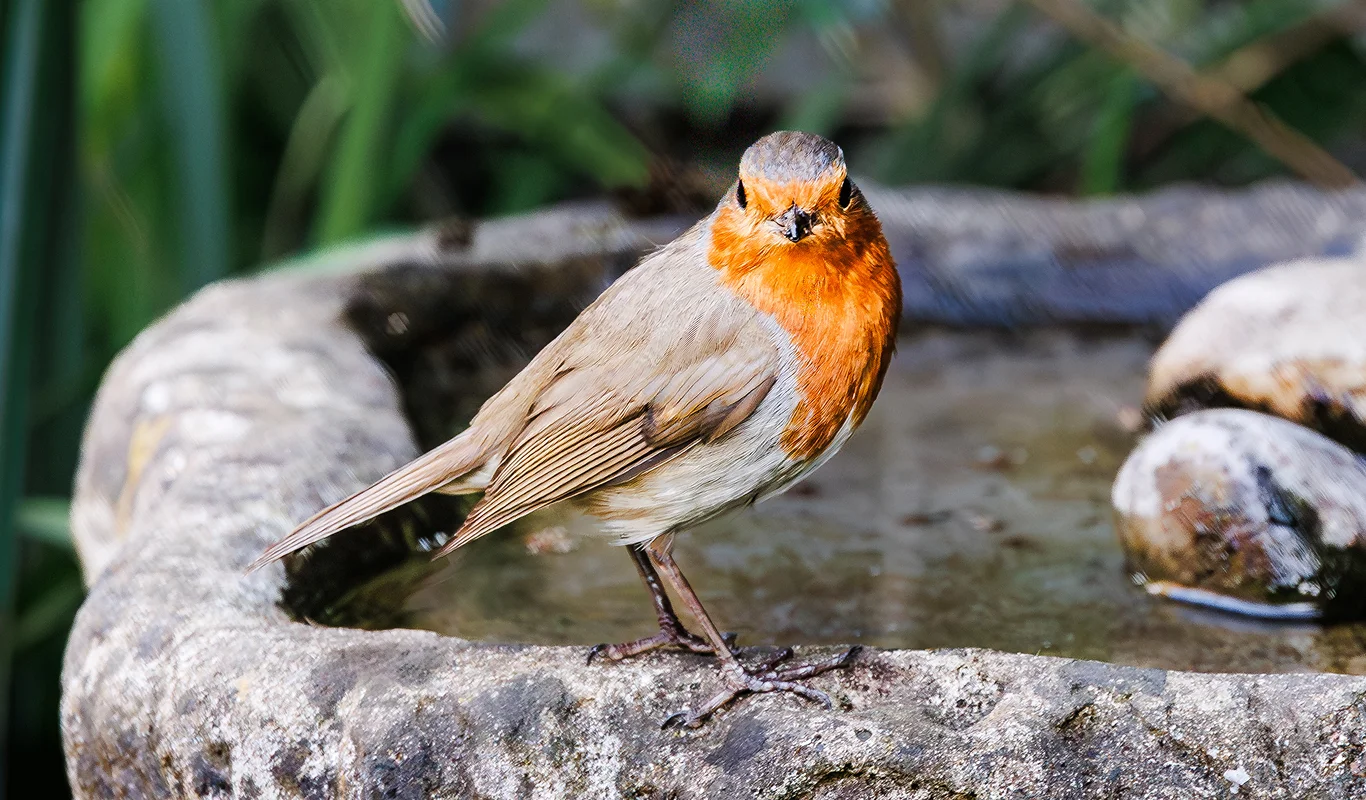
Water is as important as food for garden birds, but the latest guidance has changed here too. Trichomonosis can survive in water, so water baths carry their own disease risks if not properly managed.
The RSPB now recommends: only put water out if you can change it every day using tap water; a garden pond is often the best option as ponds carry a lower risk of trichomonosis than bird baths; clean bird baths at least weekly alongside your feeders. If you cannot commit to changing the water daily, a small garden pond is a much better long-term solution and benefits a far wider range of wildlife too.
Help Birds Find Their Own Food Naturally
One of the most impactful things you can do for garden birds is to make your outdoor space rich in natural food sources. The RSPB recommends planting bird-friendly plants such as sunflowers, teasels and ivy, which provide seeds and attract insects that birds feed on throughout the year. Other helpful options include berry-bearing shrubs such as hawthorn, rowan, holly and honeysuckle; leaving seed heads on garden plants through autumn and winter rather than cutting them back early; avoiding the use of pesticides, which reduce the insect populations that many birds rely on; and leaving a patch of garden a little wilder, with leaf litter and long grass where birds can forage naturally.
Frequently Asked Questions About Bird Feeding
Not entirely. The RSPB advises pausing seeds and peanuts between 1 May and 31 October, but you can still offer small amounts of mealworms, fatballs and suet throughout the year. There is plenty of natural food available during summer and autumn, and birds will adapt well once seed feeders are removed.
At least once a week, using a mild disinfectant solution and hot water. Rinse thoroughly and dry fully before refilling. Also clean the area beneath feeders regularly to remove droppings and old food.
Nyjer seeds are the top choice for Goldfinches, along with sunflower hearts. Both should be offered in appropriate feeders and only during the November to April season in line with the latest RSPB guidance.
The RSPB no longer recommends using bird tables or any flat-surface feeder, including window feeders and feeders with trays. Flat surfaces carry the highest risk of disease transmission and have been directly linked to the spread of trichomonosis. Hanging tube and cage feeders are the safer alternative.
Stock Up on Wild Bird Food at Newcastle Pet Supplies
At Newcastle Pet Supplies, we stock a carefully selected range of wild bird food to help you feed your garden birds well throughout the year, including fatballs, mealworms, suet products and seasonal seed mixes. We also carry a range of bird feeders suited to the RSPB’s latest guidance on safer feeder types.
Whether you are setting up a garden feeding station for the first time or powerful your existing setup in line with the new RSPB seasonal advice, we are here to help. Browse our full birds range online or get in touch with our team for a recommendation.
Grooming your dog at home isn’t just about keeping them looking smart, it’s one of the easiest ways to catch health problems early. This complete guide covers brushing, bathing, nail trims, and ear care for every coat type, with tips for nervous dogs and advice on when it’s worth booking a professional groom instead.
If you share your home with a cat, chances are you’ve shared your sofa with their claws at some point too. It’s one of the most common frustrations cat owners face, and it can feel like your furniture is fighting a losing battle.
We’ve all been there. You pop to the kitchen for two seconds, come back, and there’s your dog looking extremely pleased with themselves next to a shredded chocolate wrapper. Cue the panic. Do you know what to do if your dog eats chocolate?
Investing in indestructible dog toys is an investment in your dog’s well-being. Durable dog toys, tough chews, and fetch toys keep dogs physically active, mentally stimulated, and happy, both indoors and outdoors. At Newcastle Pets, every toy is carefully selected for its durability, safety, and engagement, so you can trust that your dog is getting the best.