

How to Stop Dogs Pulling on Their Leads: A Complete Guide
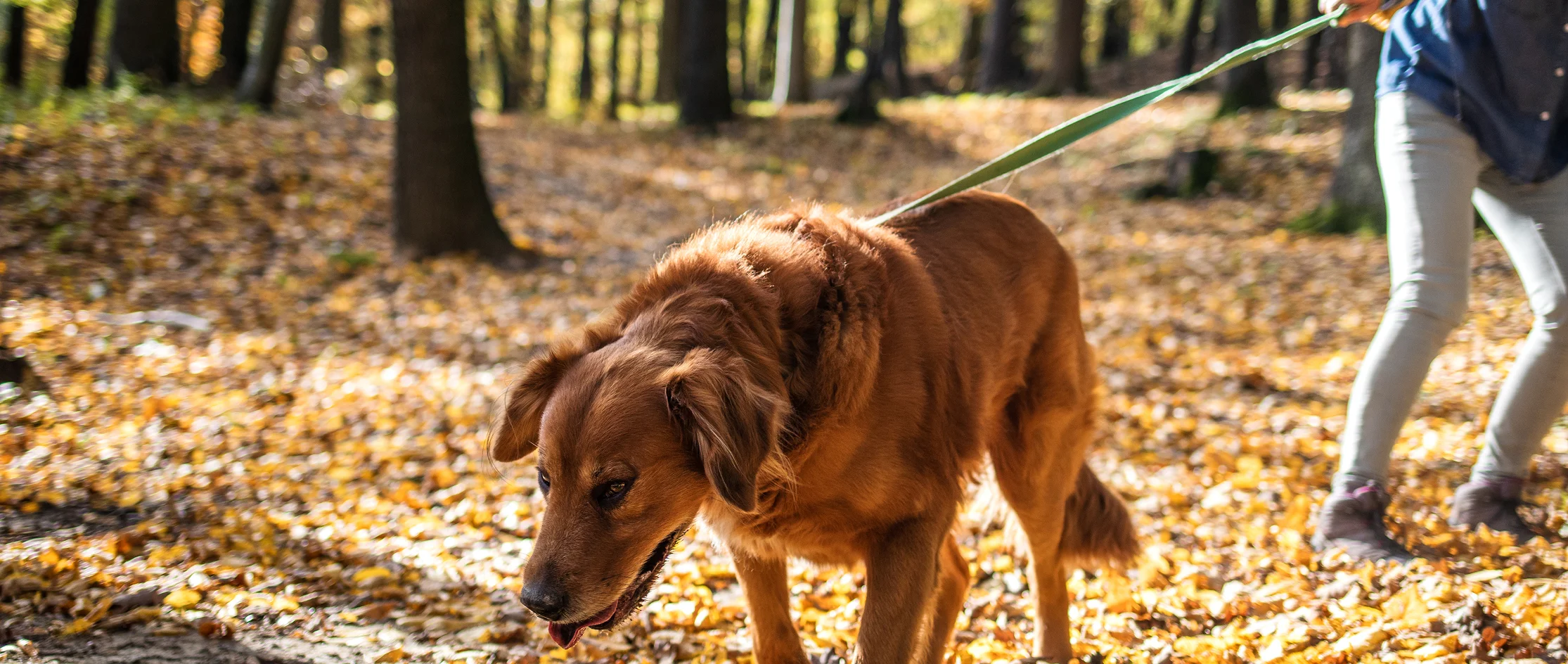
Being dragged along the pavement on every walk is one of the most common frustrations dog owners face in the UK. It’s exhausting, sometimes painful, and it puts a real dent in the enjoyment of what should be a relaxing part of your day. The good news is that pulling is a learnt behaviour, which means it can be unlearnt. With the right approach and the right equipment, almost every dog can learn to walk nicely on a loose lead. This guide takes you through exactly how to stop dogs pulling on their leads.
Why Do Dogs Pull on the Lead?
Understanding why your dog pulls makes training much easier. Dogs pull for one simple reason: it works. Every time your dog surges forward and you take a step to keep up, they learn that pulling gets them closer to wherever they want to go. It isn’t about dominance or stubbornness. They just walk faster than us and are driven by excitement, smells, and curiosity.
A few specific things tend to make pulling worse:
- Learned habit. Most dogs that pull have been doing it since puppyhood, simply because nobody stopped it early on, according to Blue Cross. The longer the habit has gone unchallenged, the more ingrained it becomes.
- Over-excitement at the start of a walk. Dogs who are in a high state of arousal before leaving the house will find it almost impossible to walk calmly. The excitement of the lead going on, the door opening, and the walk beginning can send them into a frenzy.
- The opposition reflex. This is a well-documented canine response: when pressure is applied to a dog’s neck or chest, their instinct is to push into that pressure, not away from it. Pulling back on the lead actually causes most dogs to pull harder. It’s the same reflex that makes a sled dog lean into a harness.
- The wrong equipment. Retractable leads are a major culprit. Because the lead constantly adjusts to your dog’s movement, they never learn what a consistently loose lead feels like. They learn instead that pulling gets them more length.
Choose the Right Equipment First
Before you change any behaviour, it’s worth making sure your equipment is actually working with your training rather than against it. No piece of kit will stop pulling on its own, but the right gear makes training significantly easier and keeps both you and your dog safe in the meantime.
Front-Clip and Dual-Clip Harnesses
A well-fitted harness is generally the best starting point for dogs that pull. The crucial detail is where the lead attaches. Back-clip harnesses connect at the dog’s shoulders, which gives a strong puller plenty of leverage and can actually encourage a sled-dog style of pulling. Front-clip harnesses attach at the chest, which redirects your dog towards you when they try to surge forward. Dual-clip harnesses offer both options.
The Reflective Sports Harness, available at Newcastle Pets is a dual-purpose option with two attachment points, perfect for use with a training lead. It’s fully adjustable with 2 easy-fit buckles, making it suitable for a wide range of breeds and sizes. For a comfortable everyday harness that’s gentle on the body, the Activewear Comfort Harness is another solid choice from our collars, leads and harnesses range.
Whatever harness you go for, fit is everything. It should be snug without restricting shoulder movement, with no rubbing behind the front legs or across the chest.
Head Collars
For stronger pullers, or if there’s a real risk of you being pulled over, a head collar can be an effective tool while training is underway. The principle is simple: where the head goes, the body follows. When your dog tries to lunge forward, their head is gently redirected back towards you rather than towards whatever caught their eye.
We stock both the Canny Collar and the Halti Head Collar. The Canny Collar uses an innovative behind-the-head design that clips to your dog’s regular collar lead ring, so it won’t ride up into their eyes or yank their head sideways. It’s recommended by organisations including Guide Dogs for the Blind. The Halti is one of the most widely used head collars in the UK and attaches under the chin, giving clear directional control. Over 4 million have been sold worldwide.
It’s important to introduce any head collar slowly and positively at home before clipping on a lead. Rushing the introduction can cause anxiety. And head collars are a training aid, not a permanent fix. The goal is always to build the underlying habit so your dog no longer needs one.
The Right Lead
For loose lead training, a standard fixed-length lead of around 1.2 to 1.5 metres is ideal. Long enough that your dog has comfortable movement at your side, short enough that you have clear communication. The Belay Nylon Lead with Padded Handle is a practical option, while the Coachi Training Line works well for practising loose lead skills in open spaces.
Avoid retractable leads during training. They give inconsistent feedback and teach your dog that pulling earns more length, which is the exact opposite of what you’re trying to achieve.
How to Stop Dogs Pulling on Their Leads: Step by Step
The principle behind loose lead training is straightforward: a tight lead makes the walk stop, and a loose lead lets it continue. Dogs learn through cause and effect, and once pulling consistently fails to get them anywhere, the habit begins to shift. Here’s how to put that into practice.
Step 1: Calm the Pre-Walk Routine
Many dogs start pulling before they’ve even left the house. If your dog launches into a frenzy the moment you pick up the lead, they’re already too aroused to walk calmly. Start your walk routine at least 20 minutes before you intend to leave, spacing out the steps slowly. Pick up the lead, put it down. Put your coat on and sit back down. If your dog becomes excitable when you clip the lead on, unclip it and walk away. Wait until they’re calm before trying again. Only proceed towards the door once they’re settled.
This teaches your dog that excitement delays the walk, and calm behaviour moves things forward. It’s one of the most overlooked steps in lead training but one of the most effective.
Step 2: Start Training in a Quiet Place
Don’t begin your loose lead training on a busy street or near a park. Dogs learn new behaviours much more easily in low-distraction environments. Start in the garden or a quiet room, or even practise without the lead at all initially, rewarding your dog simply for walking at your side.
With your lead on and hanging loose, take two or three steps forward. If the lead stays slack, reward immediately with a treat and praise. If it tightens, stop completely. Say nothing. Stand still and wait until your dog releases the tension and looks back to you, then reward and move off again. Repeat this consistently throughout every session.
Step 3: Stop the Instant the Lead Tightens
This is the core technique, and it requires absolute consistency. The instant you feel any tension, stop walking. Don’t pull back, don’t shout, don’t jerk the lead. Just stop and stand still. Wait for your dog to release the tension and check back in with you. The moment the lead goes slack, reward them and move forward again.
At first this can feel painfully slow. You might barely make it to the end of your street. That’s completely normal and means it’s working. Your dog is learning a clear rule: tight lead, no forward movement. Loose lead, the walk continues. Most dogs begin to show genuine improvement within one to two weeks of consistent daily practice.
Step 4: Use Treats Generously and Frequently
A dog’s natural walking pace is roughly twice as fast as ours. Loose lead walking genuinely takes effort on their part. Recognise that and reward it well. In the early stages, treat every few steps when the lead is loose. Gradually increase the gap between rewards as your dog improves.
Use high-value treats your dog will actively work for: small pieces of cooked chicken, cheese, or sausage tend to work well. Boring treats won’t compete with the excitement of a squirrel or another dog. If you stock up on natural dog treats, keep a pocket supply ready on every walk whilst training is underway.
Step 5: Change Direction to Regain Attention
Another effective technique is to change direction the moment your dog gets ahead of you. Turn and walk the other way, calling your dog to follow and rewarding them with praise and a treat when they catch up and fall into step beside you. Do this frequently enough and your dog quickly learns to keep one eye on you at all times, because they can’t predict which way you’ll head next. This builds the attentiveness that makes loose lead walking feel more natural for both of you.
Step 6: Build Up Distractions Gradually
Once your dog walks well in a quiet environment, introduce distractions incrementally. Move from the garden to a quiet pavement, then a slightly busier area, then near other dogs or people. Each time you increase the difficulty, go back to rewarding more frequently. Don’t rush this stage. A dog that walks well in your garden but pulls the moment they see another dog isn’t ready for that environment yet. Build up slowly and set them up to succeed at each step.

Awareness Leads: a Practical Extra
If your dog is still in training and you’re worried about other people approaching, or your dog is nervous around others, a colour-coded Training Awareness Lead or Nervous Awareness Lead signals to other dog owners and passers-by that your dog needs space. This can make training sessions much less stressful, particularly in busy areas where you might otherwise be interrupted.
Common Mistakes to Avoid
Even with the best intentions, some habits make pulling worse rather than better. The most common ones to watch for are:
- Pulling back on the lead. This triggers the opposition reflex and encourages your dog to push harder. Stop, don’t pull.
- Being inconsistent. If pulling works even occasionally, your dog has every reason to keep trying. Everyone who walks the dog needs to use the same technique every time.
- Using a retractable lead. These undermine loose lead training entirely. Set them aside until training is complete.
- Punishing pulling. Shouting, jerking the lead, or using aversive equipment can create anxiety around walking and make the problem worse. Positive reinforcement is consistently more effective and kinder to your dog.
- Expecting too much too soon. If your dog has been pulling for years, expect weeks of consistent work. Progress is gradual, but it’s real.
Frequently Asked Questions
Why does my dog pull so hard on the lead?
Dogs pull hard because they’ve learnt that it works, and because their natural walking pace is much faster than ours. Pulling has got them to interesting smells, other dogs, and exciting places many times before, so the habit is well established. The opposition reflex also means that any pressure on their neck or chest causes them to push into it rather than away from it, which intensifies pulling when owners tug back. The solution is to make pulling consistently ineffective by stopping the moment tension appears, rather than pulling back.
How long does it take to stop a dog pulling on the lead?
It depends on how long the habit has been in place and how consistently you train. Dogs that have only recently started pulling may improve noticeably within a week or two. Dogs that have pulled for years may take several weeks or months of consistent daily work. Short, frequent sessions of five to ten minutes a day tend to produce better results than occasional long ones. Patience and consistency are the two things that make the biggest difference.
Is a harness or collar better for a dog that pulls?
For most dogs that pull, a harness is the better choice. Consistent pulling on a collar puts pressure on the throat and trachea, which over time can cause real physical damage. A harness distributes pressure more evenly across the chest and body. A front-clip or dual-clip harness, such as the Adventurer Training Body Harness, gives added control by redirecting your dog towards you when they try to surge forward. For very strong pullers, combining a harness with a head collar gives the most control whilst training is underway.
Should I use a head collar or harness to stop pulling?
Many owners find that both have a role. A harness is comfortable for everyday use and is the foundation of good loose lead walking. A head collar, such as the Canny Collar or Halti Head Collar, can be a helpful additional tool for strong pullers or in situations where you need extra control. Neither replaces training. The goal is always to build the loose lead habit itself, so that equipment becomes less critical over time.
Browse Our Collars, Leads and Harnesses
Whether you’re just starting out or need a better tool for a persistent puller, the right equipment makes training far more manageable. You’ll find our full range of dog collars, leads and harnesses on the Newcastle Pets website. If you’re not sure which option suits your dog, get in touch and we’ll help you find the right fit.
You may also be interested in these articles…
How to Calm a Dog Scared of Fireworks
Is Salmon Oil Good for Dogs?
How to Groom a Dog at Home: A Complete Step-by-Step Guide
Grooming your dog at home isn’t just about keeping them looking smart, it’s one of the easiest ways to catch health problems early. This complete guide covers brushing, bathing, nail trims, and ear care for every coat type, with tips for nervous dogs and advice on when it’s worth booking a professional groom instead.
What Is Cold Pressed Dog Food? A Complete Guide for UK Dog Owners

What Do Guinea Pigs Eat? A Complete Feeding Guide for UK Owners

Are Rabbit Ears Good for Dogs? The Complete UK Owner’s Guide
The Complete Guide to Bird Feeding in Your Garden
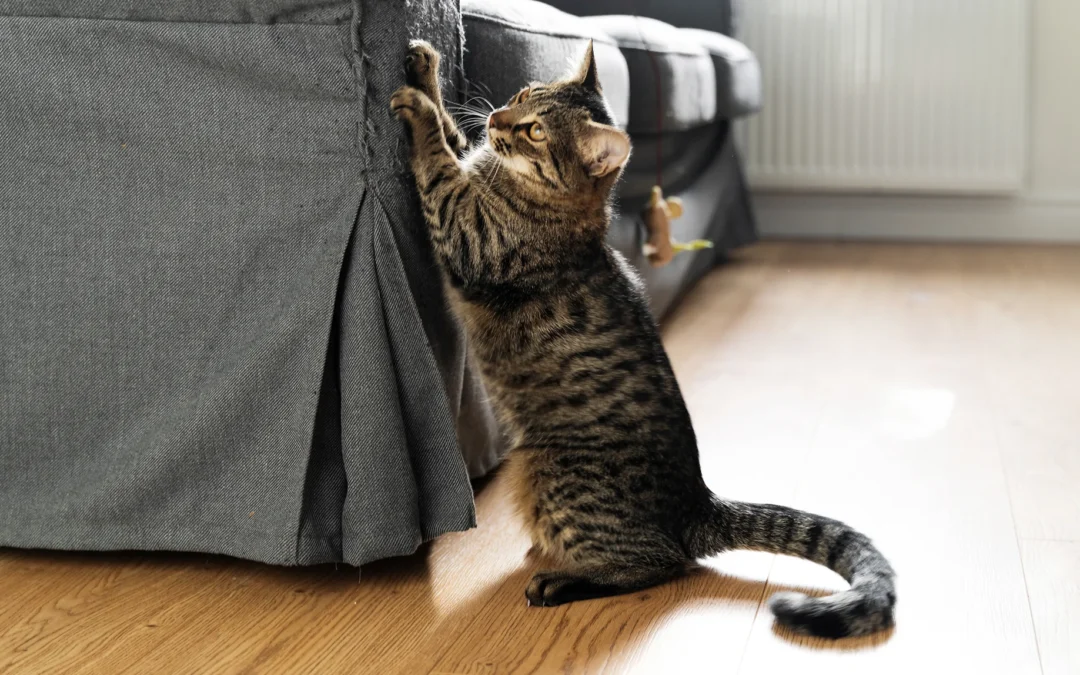
7 Proven Strategies: How Can You Stop a Cat From Scratching the Furniture?
If you share your home with a cat, chances are you’ve shared your sofa with their claws at some point too. It’s one of the most common frustrations cat owners face, and it can feel like your furniture is fighting a losing battle.
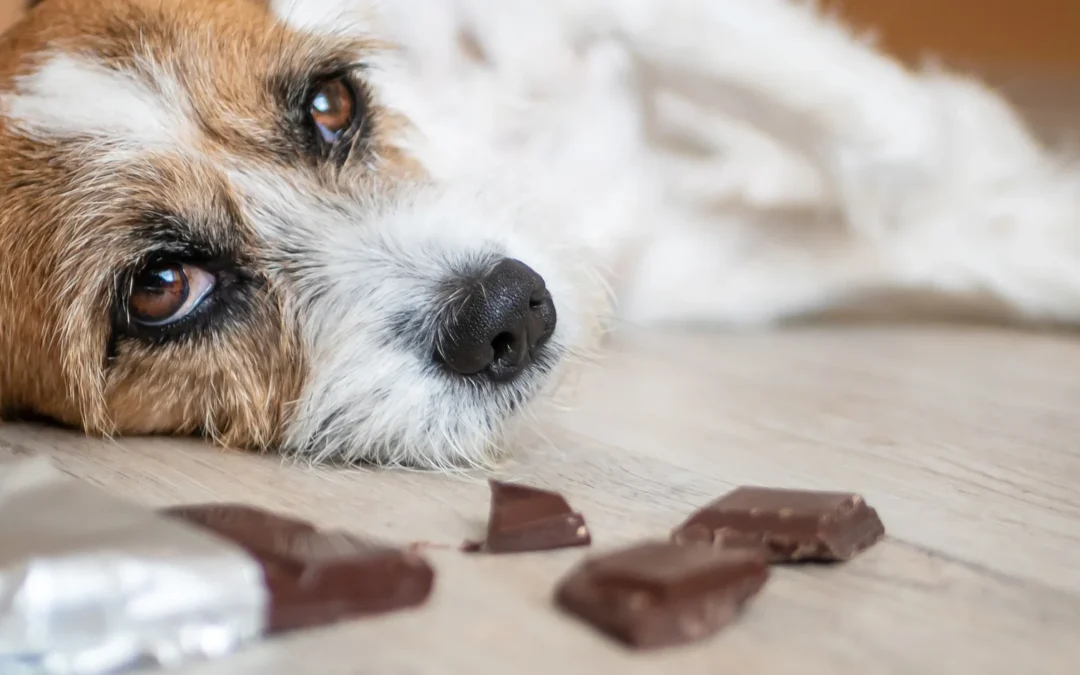
What to Do If Your Dog Eats Chocolate: Key Signs
We’ve all been there. You pop to the kitchen for two seconds, come back, and there’s your dog looking extremely pleased with themselves next to a shredded chocolate wrapper. Cue the panic. Do you know what to do if your dog eats chocolate?