We’ve all been there. You pop to the kitchen for two seconds, come back, and there’s your dog looking extremely pleased with themselves next to a shredded chocolate wrapper. Cue the panic. Do you know what to do if your dog eats chocolate?
If your dog eats chocolate, acting quickly really matters. Chocolate contains stuff that’s toxic to dogs, and the sooner you deal with it, the better the outcome. The good news? Most dogs recover well when their owners know what to look for and what to do next.
This guide walks you through everything, from spotting the signs of chocolate toxicity in dogs to what happens at the vet. Whether your dog has sneaked a square of milk chocolate or got into the baking stash, you’ll know exactly what steps to take.
Understanding Chocolate Toxicity in Dogs
Chocolate contains two things that dogs really can’t handle: theobromine and caffeine. While we process these pretty quickly, dogs metabolise them much more slowly, which means even a small amount can build up and cause problems.
Once chocolate is in your dog’s system, it can affect their heart, nervous system and kidneys. In serious cases, that can mean seizures or worse, which is why it’s never something to brush off.
How bad things get depends on a few key factors: the type of chocolate, how much they’ve eaten, and how big your dog is. Here’s a quick breakdown:
Dark chocolate: High in theobromine, so even a small amount can be very toxic.
Milk chocolate: Lower theobromine levels, but still dangerous if they eat enough of it.
White chocolate: Very little theobromine, but it’s still not safe to let them tuck in.
Why is Chocolate Toxic?
It all comes down to theobromine and caffeine. Dogs just aren’t built to break these down the way we are, so they hang around in the body much longer and cause real harm.
Theobromine: Acts as a stimulant that puts strain on the heart.
Caffeine: Speeds up the heart rate, adding to the problem.
How Much Chocolate is Dangerous?
This depends on your dog’s size and the type of chocolate involved. A tiny dog can get seriously ill from a surprisingly small amount, while a larger dog might cope better with the same quantity, though that doesn’t make it safe.
Small dogs: At higher risk even from tiny amounts. Don’t take chances.
Large dogs: Can tolerate a little more, but the risk goes up with the amount eaten.
Different Types of Chocolate and Their Risks
Not all chocolate is equally dangerous, but none of it is safe for dogs. The darker the chocolate, the more theobromine it contains, and the bigger the risk.
Baking chocolate: The most toxic type by far. Even a small piece is a vet-worthy emergency.
Milk chocolate: Medium risk. Still dangerous, especially in larger quantities.
White chocolate: Lowest theobromine levels, but it’s high in fat and sugar, so it’s still best avoided.

Recognising Symptoms of Chocolate Poisoning
Knowing the signs of chocolate poisoning means you can act fast, and that can make all the difference. Symptoms can show up within a few hours, or they might take longer to appear depending on how much your dog ate and what type of chocolate it was.
The sooner you spot something’s off, the sooner your vet can step in. Here are the most common symptoms to watch for:
Vomiting: Often the very first sign that something isn’t right.
Diarrhoea: Usually comes hand-in-hand with vomiting.
Increased heart rate: You might notice your dog’s chest thumping faster than normal.
Seizures: In more severe cases, this can happen and needs urgent attention.
Immediate Signs to Look For
The first symptoms usually show up within 6 to 12 hours after your dog eats the chocolate. Spotting them early gives you the best chance of getting ahead of it.
Keep an eye out for:
Restlessness: Pacing, whining, or not being able to settle down.
Excessive thirst: Drinking way more water than usual.
Frequent urination: Often follows on from all that extra drinking.
Long-term Symptoms of Chocolate Ingestion
If chocolate poisoning isn’t treated, symptoms can stick around and get worse over time. These are the signs that things are more serious:
Muscle tremors: A sign that the toxicity has reached a more severe level.
Weakness: Your dog may seem floppy, unsteady, or just not themselves.
Ongoing vomiting or diarrhoea: If it’s still happening hours later, that’s a red flag.
Behavioural Changes to Monitor
Sometimes the signs aren’t physical, they’re in how your dog is acting. You know your dog better than anyone, so trust your gut if something feels off.
Watch for:
Hyperactivity: Bouncing off the walls more than usual could point to nervous system involvement.
Unusual aggression or anxiety: If your normally chilled dog is suddenly snappy or hiding, that’s worth noting.

First Steps if Your Dog Eats Chocolate
Right, deep breath. If your dog has just eaten chocolate, the most important thing is to stay calm and act quickly. Start by working out what kind of chocolate it was and roughly how much they’ve had.
That information is gold for your vet, because it helps them figure out how serious the situation is and what needs to happen next. If you’re not sure about anything, pick up the phone and call them straight away.
A few things to do right now:
Stay calm: Panicking won’t help your dog (or you). Take a breath and focus.
Remove any remaining chocolate: Get it out of reach so they can’t eat more.
Contact your vet: They’ll tell you exactly what to do based on your dog’s size, the type of chocolate, and the amount.
Assessing the Situation: How Much was Eaten?
Try to work out how much chocolate your dog actually got through. This is really helpful for your vet when deciding how urgently your dog needs treatment.
Think about:
Your dog’s weight: Smaller dogs are more sensitive, so what counts as ‘a little bit’ for a Labrador could be serious for a Jack Russell.
The type of chocolate: Darker chocolate is more dangerous than milk or white.
How much is missing: Check the wrapper or box and try to estimate.
When to Call a Vet Immediately
Some situations can’t wait. If any of the following apply, get in touch with your vet or an emergency animal clinic straight away:
Severe symptoms: Things like seizures, collapsing, or difficulty breathing.
A large amount was eaten: Especially dark or baking chocolate.
Strange behaviour: If your dog is acting very unlike themselves, don’t wait it out.
How to Induce Vomiting in Dogs Safely
In some cases, your vet may advise you to make your dog vomit to get the chocolate out of their system. This is only ever something you should do under veterinary guidance, never try it on your own without speaking to a professional first.
If your vet gives the go-ahead:
Use hydrogen peroxide (3%): Only as directed by your vet.
Give the right amount: Your vet will tell you the correct dose for your dog’s size.
Watch them closely: Keep an eye on your dog for any bad reactions afterwards.
Home Remedies for Inducing Vomiting
You might have seen all sorts of advice online about home remedies for when your dog eats chocolate. The truth is, some of these can do more harm than good, so please always check with your vet before trying anything.
Hydrogen peroxide (3%): The most commonly recommended option, but strictly under vet direction only.
Syrup of ipecac: Generally not recommended as it can cause its own problems. Only use if your vet specifically tells you to.
Saltwater: Don’t use this. It carries a risk of salt toxicity, which just adds another problem on top.
Situations to Avoid Inducing Vomiting
There are times when making your dog vomit could actually make things worse. In these cases, skip the home treatment and get straight to the vet:
Your dog is unconscious or very drowsy: There’s a real risk of choking.
They’ve eaten other harmful substances too: Things like batteries, sharp objects, or chemicals need different treatment.
They’ve already vomited: Doing it again could damage the oesophagus.
Treatment Options for Chocolate Poisoning
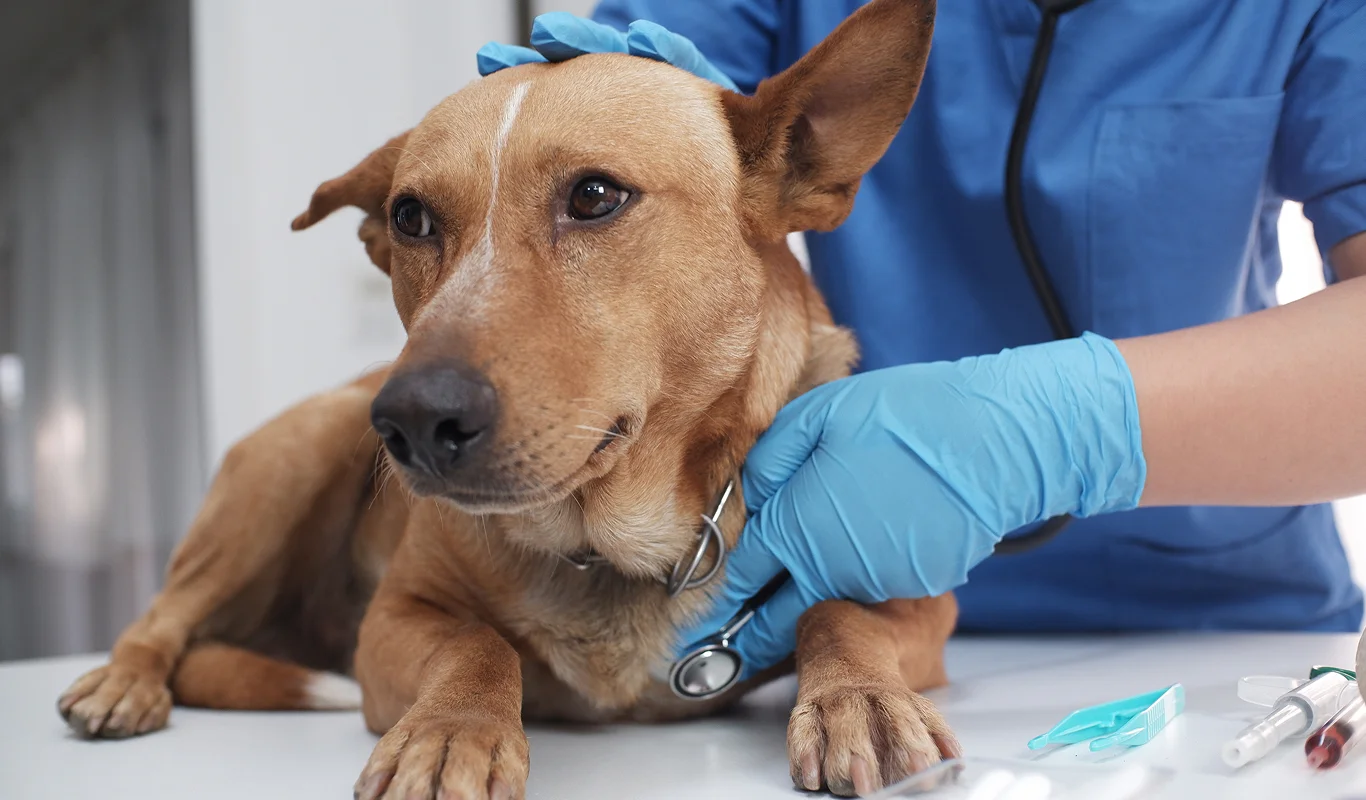
Once your dog is with the vet, they’re in safe hands. Vets deal with chocolate poisoning regularly and know exactly how to handle it. They’ll assess your dog’s condition and put together a treatment plan based on how much chocolate was eaten and how your dog is responding.
Treatment usually involves a combination of:
Monitoring vital signs: Keeping a close watch on heart rate, temperature and breathing.
Activated charcoal: This helps absorb any remaining toxins in the stomach.
IV fluids: To keep your dog hydrated and help flush the toxins through.
The sooner your dog gets treated, the better the chances of a quick and full recovery.
What to Expect at the Vet
When you arrive at the vet, they’ll give your dog a thorough check-up to understand how serious things are. Don’t worry, they’ll talk you through everything. You can expect:
Heart monitoring: To check for any irregular rhythms caused by the theobromine.
Blood tests: To see how the kidneys and liver are coping.
Observation: Your dog may need to stay for a few hours so the vet can keep an eye on things.
Common Treatment Methods Used
Depending on how your dog is doing, the vet might use a few different approaches:
Stomach flushing: To get rid of any chocolate still sitting in the stomach.
Medication: To help manage heart rate and control muscle tremors.
Oxygen therapy: If your dog is having trouble breathing, this helps support them.
Aftercare and Monitoring Your Dog
Once your dog is home, the job isn’t quite over. Your vet will give you clear aftercare instructions, and it’s important to follow them closely.
A few things to keep in mind:
Watch for lingering symptoms: Things like tiredness, restlessness, or a dodgy tummy can hang around for a bit.
Keep them hydrated: Make sure fresh water is always available and encourage them to drink.
Give them a quiet space: Let them rest somewhere calm and comfortable while they recover.

Preventative Measures to Avoid Future Incidents
Once you’ve been through the scare of your dog eating chocolate, you’ll want to make sure it never happens again. Prevention is always easier (and a lot less stressful) than dealing with an emergency.
Here are some simple steps that go a long way:
Pet-proof your storage: Keep chocolate on high shelves or in cupboards your dog can’t get into.
Get everyone on the same page: Make sure everyone in the house knows chocolate is off-limits for the dog.
Keep dogs away from temptation: Use baby gates or close kitchen doors during mealtimes or when you’re baking.
Safe Storage of Chocolate and Other Hazards
The best way to keep your dog safe is to keep chocolate well out of reach. It sounds obvious, but it’s easy to forget when you’re in a rush. The same goes for other toxic foods like grapes, raisins, and anything containing xylitol.
Use secure cupboards: Childproof locks work a treat for nosy dogs too.
Store things up high: If it’s on the counter, a determined dog will find it.
Choose opaque containers: Out of sight, out of mind.
Training Your Dog to Avoid Dangerous Foods
A little bit of training goes a long way when it comes to keeping your dog safe. Teaching your dog some basic commands can stop them in their tracks before they get to something they shouldn’t.
Use positive reinforcement: Reward them with a safe treat when they listen. It works wonders.
Teach “leave it”: One of the most useful commands any dog can learn.
Practice regularly: The more you reinforce it, the more reliable it becomes.
Awareness During Holidays and Events
Christmas, Easter, Halloween, birthdays, basically any time there’s chocolate floating around the house is a high-risk time for dogs. A little extra awareness during these events can prevent a lot of worry.
Let your guests know the rules: A quick heads-up that chocolate isn’t for the dog goes a long way.
Keep a close eye on things: Especially if kids are around with selection boxes or party bags.
Have dog-safe treats ready: If your dog feels left out, give them something they’re actually allowed to enjoy.