


Cold weather can affect cats more than many owners realise. While cats have fur to keep them warm, lower temperatures, draughts and damp conditions can still cause discomfort, especially for kittens, senior cats and short-haired breeds.
Keeping cats warm in winter takes a few simple steps to help keep your cat warm, comfortable and healthy.
How Cold Weather Affects Cats
Cold and dark winter conditions can impact a cat’s health, behaviour, and safety. Although cats can adapt by growing thicker coats and conserving energy, they are still vulnerable to low temperatures, particularly kittens, older cats, hairless breeds, and cats with underlying health conditions. Shorter daylight hours often mean cats sleep more or change their activity levels, while those that continue to go outside may face additional risks such as antifreeze poisoning, rock salt on pavements, and reduced visibility. Providing a warm indoor environment, enough mental and physical stimulation, and taking sensible precautions outdoors can help reduce these risks and support a cat’s wellbeing throughout the winter.
Provide a Warm, Draught-Free Bed
Cats are experts at finding the warmest spot in the house, until winter comes along and the cold sneaks in through doors, windows and floors.
A bed placed in the wrong spot can quickly lose its appeal, no matter how soft it is. Try positioning sleeping areas away from draughts and colder corners, and you’ll often find your cat settles much faster (and stays put longer).
Some cats love to curl up into a tight ball, while others stretch out like they own the place. Having the right style of bed helps them hold onto body heat and rest properly through colder days and nights.
Cold floors can also be a shock in winter, so raised or well-padded beds are a smart choice. They help lift your cat away from chilly surfaces and keep warmth where it belongs with them.
If your cat suddenly abandons their usual sleeping spot in winter, it’s often a sign they’re simply looking for somewhere warmer.
Featured products:
Keep Indoor Areas Comfortable for Cats
When winter hits, most cats quietly switch to indoor mode. Fewer garden adventures, more naps, and a strong preference for anywhere warm and familiar.
Keeping your home at a steady temperature helps prevent cats from getting chilled, especially overnight when heating is often turned down. Sudden drops in temperature can be uncomfortable, particularly for kittens, senior cats, and short-haired breeds.
During the day, letting natural light in can make a surprising difference. Sunlit spots quickly become favourite resting places, so opening curtains gives cats the chance to soak up some extra warmth. As evening arrives, closing them helps keep the heat in and the cold out.
Older cats may need a little extra help in winter. Adding an extra layer of bedding to their favourite spots can make resting more comfortable and help ease stiff joints on colder days. If your cat starts following the sun around the house or relocating their naps closer to warm rooms, they’re doing exactly what cats do best: finding the comfiest option available.
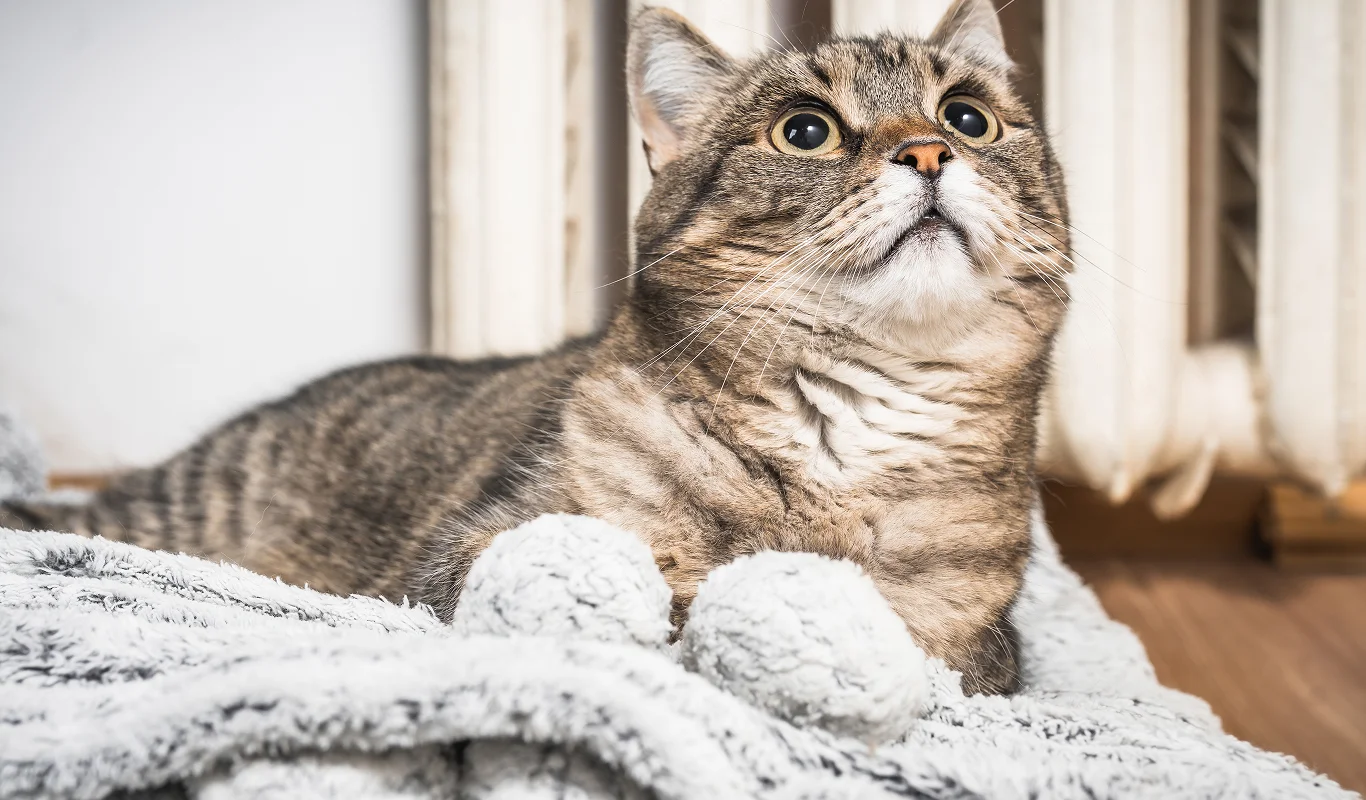
Provide Indoor Litter Trays in Winter
During winter, it’s a good idea to make sure your cat always has access to an indoor litter tray, even if they normally prefer to use the toilet outdoors. This helps avoid stress and reduces the risk of accidents when the weather puts them off going out.
Litter trays should be placed in a quiet, warm area of the home, away from draughts and busy walkways. Cats value privacy, and a calm location makes them far more likely to use it consistently.
In households with more than one cat, providing one litter tray per cat, plus an extra, can make a big difference. It helps reduce competition, prevents tension and keeps everyone comfortable through the colder months.
Featured Products
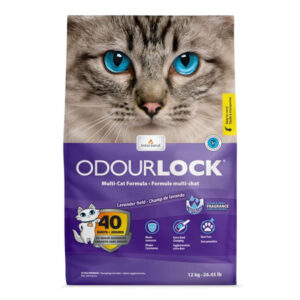
Odourlock Lavender Cat Litter
Odourlock Lavender Cat Litter

OdourLock Litter
Odourlock
Keep Cats Mentally Stimulated Indoors
Rotating toys rather than leaving them all out at once keeps things interesting. Something that’s ignored one week often becomes exciting again after a short break. Simple changes, like moving toys to different rooms, can also help refresh your cat’s interest.
Structured play is just as important as independent play. Using wand toys or interactive games allows your cat to burn off energy, stretch muscles, and stay mentally sharp. Ending these sessions with a small treat helps complete the natural “hunt, catch, eat” cycle, which can leave cats calmer and more satisfied afterwards.
Providing spaces where cats can climb, hide or observe from a distance also helps keep indoor life interesting. Cats like to feel in control of their environment, and having options encourages movement and exploration even when they’re staying inside more than usual.
We Recommend:

Winter Warmth Tips for Your Cat
Winter doesn’t have to be risky for your cat, but it does require a little extra care. Make sure they have warm, draught-free sleeping spots, easy access to fresh water and food, and indoor litter trays so they aren’t forced outside in freezing weather. For cats that enjoy outdoor exploration, provide sheltered areas and ensure they can always return indoors safely. Keep an eye on older cats or cats that suffer from arthritis, as cold weather can worsen joint stiffness, and watch for signs of hypothermia such as shivering, lethargy, or cold extremities.
Remember that hazards like antifreeze, ice paths, and winter salts can be dangerous, so take precautions around your home and garden. By combining comfort, safety, and enrichment, you can help your cat be healthy, happy, and active throughout the colder months, making winter a season to enjoy together rather than worry about.
A little winter prep goes a long way in keeping your cat happy, healthy and cosy with Newcastle Pets.