


7 Proven Strategies: How Can You Stop a Cat From Scratching the Furniture?
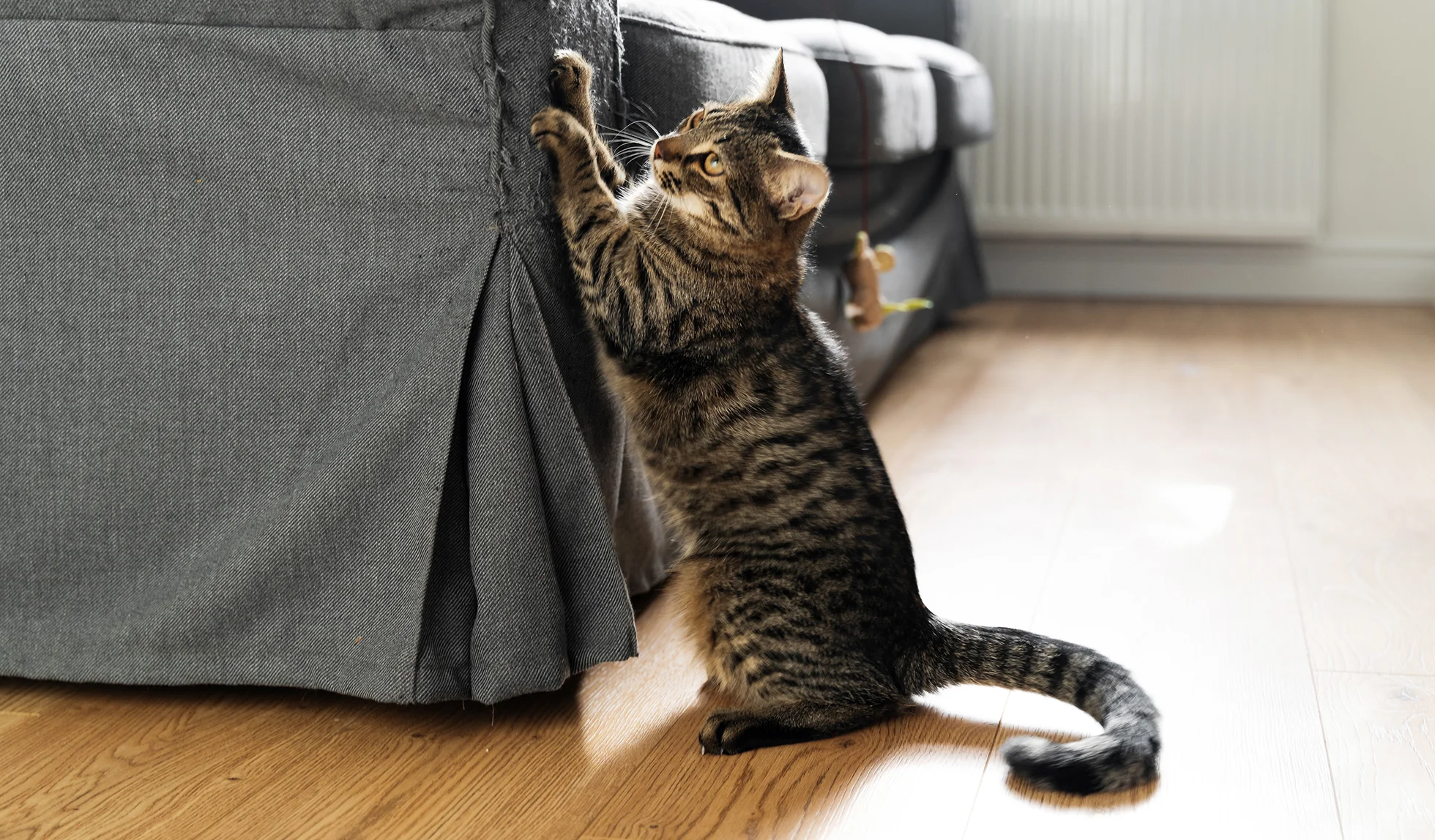
If you share your home with a cat, chances are you’ve shared your sofa with their claws at some point too. It’s one of the most common frustrations cat owners face, and it can feel like your furniture is fighting a losing battle.
But here’s the thing: scratching is completely natural for cats. They do it to mark their territory, keep their claws healthy, and have a good stretch. So the goal isn’t to stop them scratching altogether. It’s about giving them better places to do it.
The good news is there are plenty of ways to protect your furniture without upsetting your cat. From scratching posts and interactive toys to calming products and a bit of clever training, you’ve got options.
How can you stop a cat from scratching the furniture? This guide covers seven proven strategies to redirect your cat’s scratching and keep your home looking (and feeling) a lot happier.
Understanding the Reasons Behind Furniture Scratching
Before you can fix the problem, it helps to understand why your cat is doing it in the first place. Scratching isn’t your cat being naughty or trying to wind you up. It’s a built-in behaviour that serves some really important purposes.
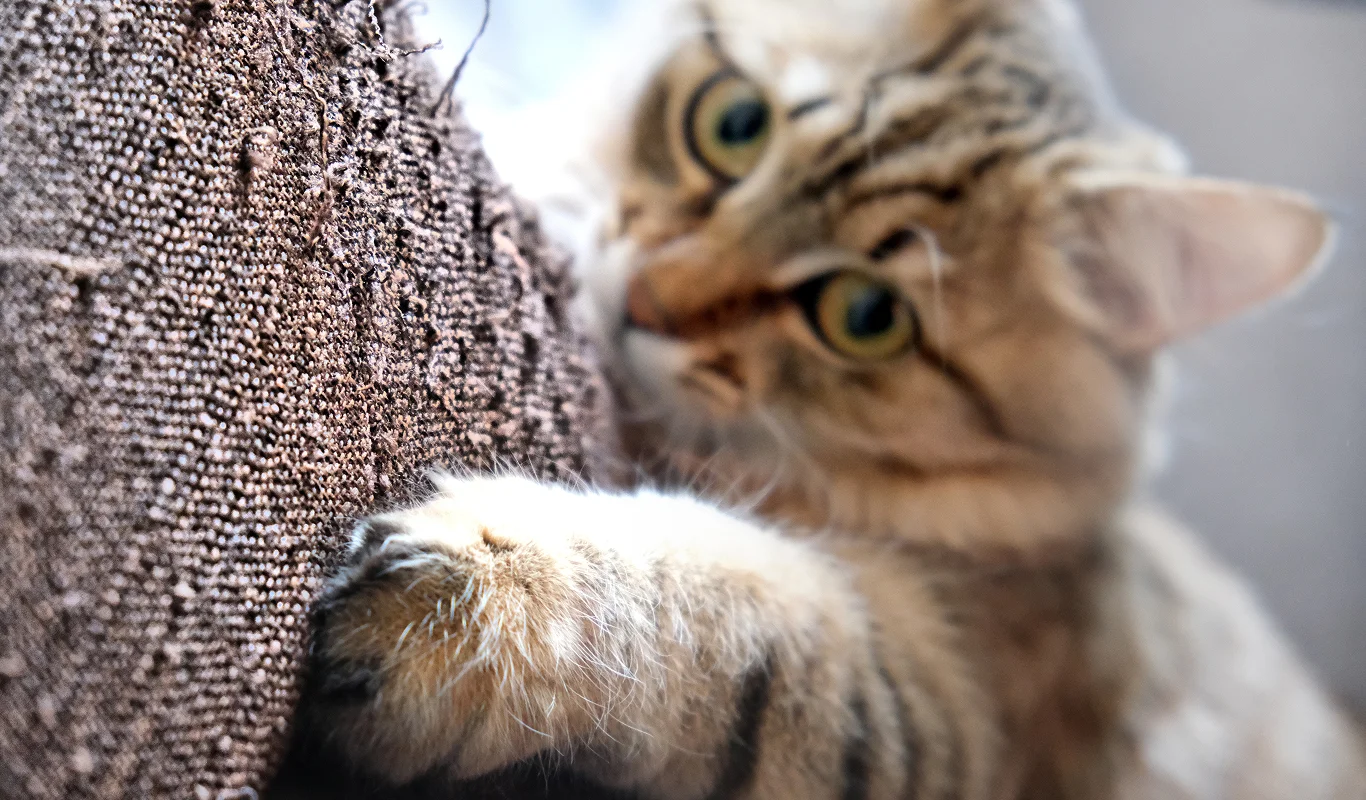
For starters, cats have scent glands in their paws. When they scratch, they’re leaving behind both a visual mark and a scent, which is basically their way of saying “this is mine.” This is especially common in homes with more than one cat.
On top of that, scratching helps them shed old claw sheaths and keep their claws in good shape. It also gives them a proper stretch, which they need for muscle health and flexibility.
Here are the main reasons cats scratch:
- Marking territory with scent and visible scratch marks.
- Keeping their claws sharp and healthy.
- Stretching and exercising their muscles.
Once you understand that scratching is normal and necessary, you can start working with your cat’s instincts rather than against them.
Natural Instincts of Cats
Scratching is hardwired into your cat. It’s tied to the same instincts that drive them to hunt, climb, and defend their space. In the wild, they’d scratch trees and rough surfaces. In your living room, the sofa becomes the next best thing.
Understanding this makes it much easier to redirect the behaviour rather than trying to stamp it out entirely.
Emotional and Environmental Triggers
It’s not always just instinct. Stress and anxiety can also ramp up scratching behaviour. If something has changed in your cat’s environment, like a new pet, a house move, or even rearranged furniture, they might scratch more as a way of coping.
Keeping things consistent and familiar helps your cat feel safe. Sticking to regular routines and making sure they have a quiet space to retreat to can go a long way in reducing stress-related scratching.
The Impact of Boredom on Scratching Behaviour
A bored cat is a destructive cat. If your cat isn’t getting enough mental or physical stimulation, they’ll find their own entertainment, and your furniture is usually the first thing to suffer.
Introducing toys and regular playtime can make a real difference. A cat that’s been chasing, pouncing, and exploring is far less likely to take it out on your armchair.

Common Misconceptions About Cat Scratching
There are a lot of myths floating around about why cats scratch and how to deal with it. Some of them can actually make the problem worse if you follow them.
Here are a few of the most common ones:
- Cats scratch out of spite. (They don’t. It’s instinct, not revenge.)
- Declawing is a humane solution. (It isn’t. More on that below.)
- Punishing your cat will stop them from scratching. (It won’t. It just damages your relationship.)
Getting past these misconceptions is the first step towards finding strategies that actually work.
Debunking Myths about Scratching
One of the biggest myths is that cats scratch to annoy you. It might feel that way when you find claw marks on your brand-new sofa, but your cat isn’t doing it out of spite. They’re just following their natural instincts.
Another common belief is that declawing is a simple, harmless procedure. In reality, it involves removing the last bone of each toe and can cause lasting pain, behavioural problems, and difficulty walking. It’s not something any cat owner should consider lightly, and it’s actually illegal in the UK. Understanding the truth behind these myths helps you approach the problem with more compassion and better results.
Utilising Interactive Cat Toys for Engagement
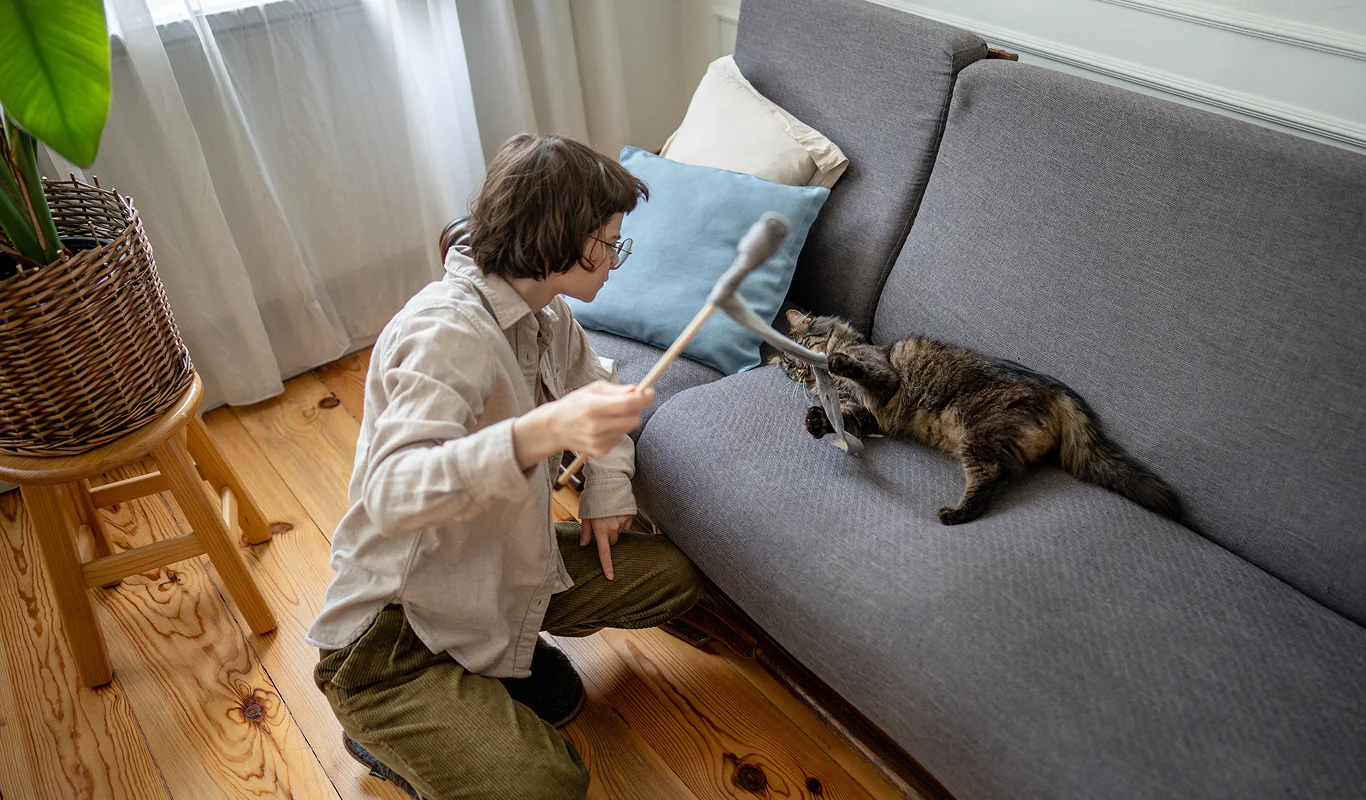
One of the easiest ways to reduce scratching is to keep your cat busy. Interactive toys are brilliant for this because they give your cat something fun and stimulating to focus on instead of your furniture.
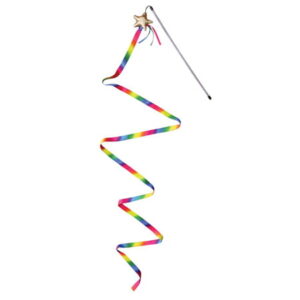
There are loads of options out there, from simple feather wands to puzzle feeders that make your cat work for their treats. The key is to keep things interesting by rotating toys so your cat doesn’t get bored of the same one.
Here are some ideas to try:
- Short, focused play sessions to burn off energy.
- Games that mimic hunting, like chasing a feather toy across the floor.
- Swapping toys around regularly so they always feel new.
Playing together also strengthens the bond between you and your cat. Those little moments of shared fun build trust and happiness on both sides.
Benefits of Interactive Play
Interactive play does more than just wear your cat out (although that’s a nice bonus). It keeps their brain sharp, helps them burn off stress, and gives them a healthy outlet for all that natural energy.
Key benefits include:
- Mental stimulation to keep their mind active.
- Stress relief, which can calm anxious or restless cats.
- A stronger bond between you and your cat.
It’s one of the simplest things you can do, and it makes a noticeable difference.
Recommended Types of Interactive Toys
Not all toys are created equal, and different cats like different things. Some love chasing, while others prefer a puzzle. It’s worth experimenting to see what gets your cat excited.
Popular options include:
- Feather wands for active, hands-on play.
- Laser pointers to get them running and chasing.
- Puzzle feeders for a mental workout at mealtimes.
A good mix of toy types keeps your cat engaged and means they’re far less likely to turn to your furniture for entertainment.
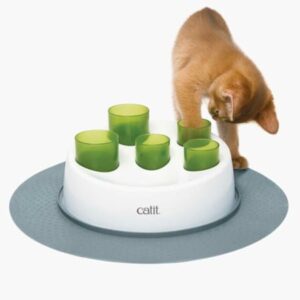
Catit Senses Digger
Catit Senses Digger
Choosing the Right Scratching Post
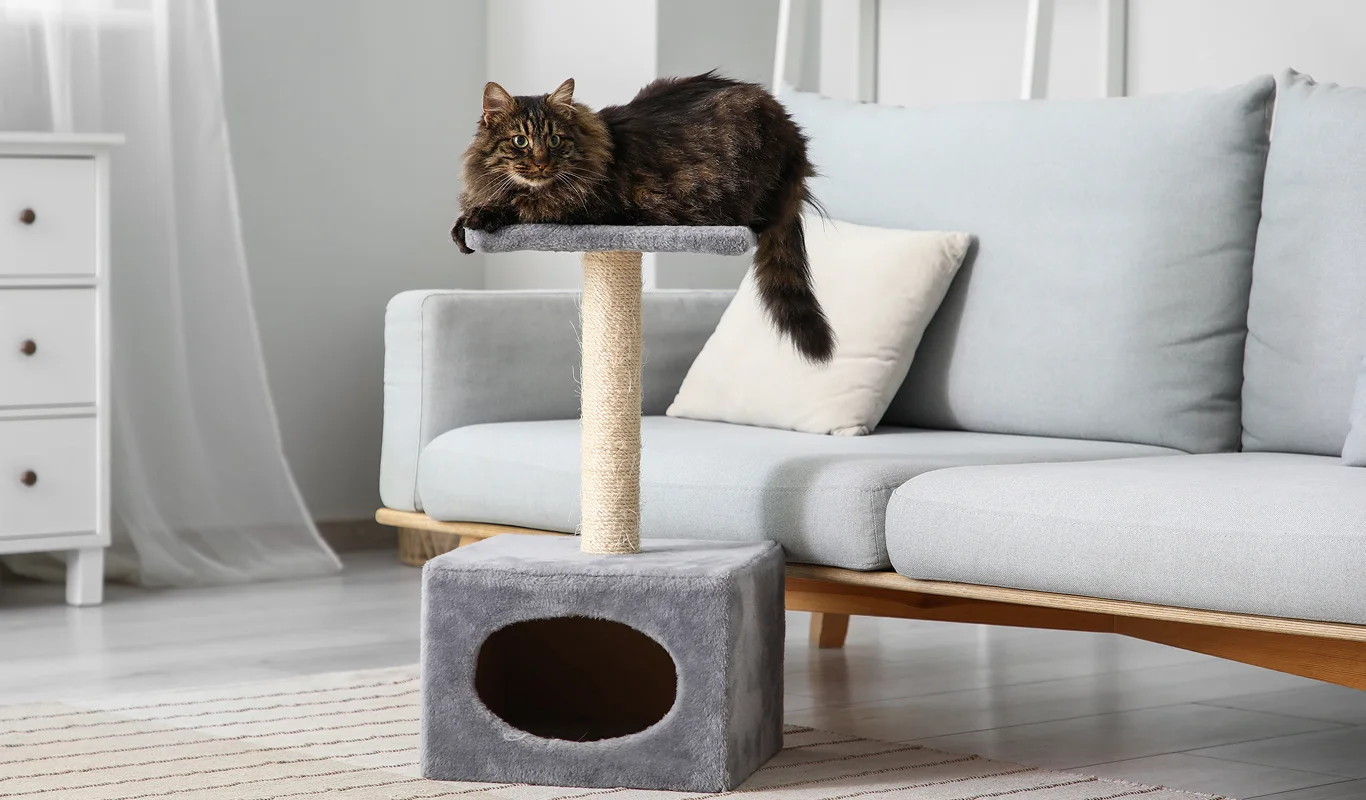
If you want your cat to stop scratching the furniture, you need to give them something better. A good scratching post is one of the most effective solutions out there, but it has to tick a few boxes to actually work.
Your cat needs a post that’s tall enough for a full stretch, sturdy enough that it won’t wobble or topple over, and made from a material they actually enjoy scratching. If the post doesn’t meet those requirements, your cat will go straight back to the sofa.
Here are the key things to look for:
- Height that allows your cat to stretch their full body length.
- A solid, stable base that won’t tip over mid-scratch.
- A durable, scratchable material like sisal or carpet.
It’s also a good idea to have more than one scratching post, placed in different areas of the house. Cats like to scratch near the spots they hang out in most.
Materials That Cats Prefer
Cats can be fussy about what they scratch. Some love the rough texture of sisal rope, while others go wild for cardboard. Knowing what your cat prefers makes all the difference when choosing a post.
Common favourites include:
Sisal: Tough, fibrous, and really satisfying for cats to dig their claws into.
Carpet: A familiar texture that many cats already enjoy scratching.
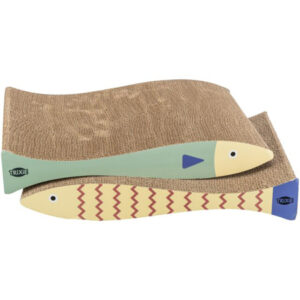
Cardboard: Great for cats who love the shredding sensation.
If you’re not sure what your cat likes best, try a couple of different types and see which one gets the most use.
Placement of Scratching Posts
Even the best scratching post in the world won’t work if it’s tucked away in a corner your cat never visits. Where you put it matters just as much as what it’s made of.
Think about where your cat usually scratches, and put the post nearby. Good spots include:
- Near their sleeping area, so they can have a good stretch after a nap.
- In high-traffic areas or near entranceways where they like to mark territory.
- Getting the placement right makes the post far more appealing and helps steer your cat away from the furniture.
Implementing Furniture Covers for Cats
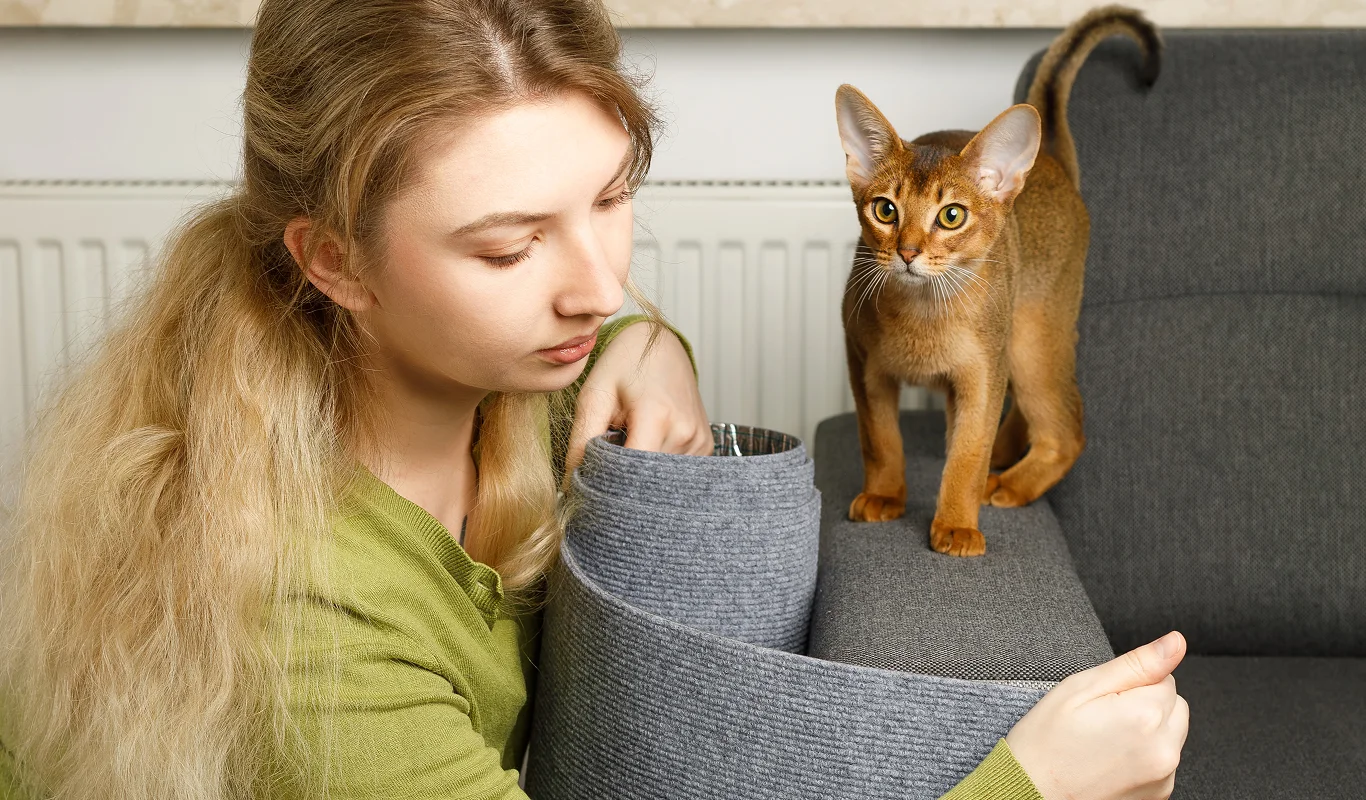
While you’re working on redirecting your cat’s scratching habits, furniture covers are a handy way to protect your upholstery in the meantime. They act as a barrier between your cat’s claws and your sofa, saving you from any more damage while you get the training side of things sorted.
There are a few different options depending on your needs:
Slipcovers: Full protection for your furniture, and most are machine washable.
Mats and pads: Handy for covering specific areas your cat targets.
Protective sheets: Simple, quick to put on, and easy to remove.
They’re not a permanent fix, but they’re a great safety net while your cat is learning to use their scratching post.
Types of Furniture Covers Available
There’s a decent range of covers out there, so you can find something that works for your furniture and your style. You don’t have to sacrifice how your home looks to keep it protected.
A few popular choices include:
Quilted throws: Comfortable and stylish, with a layer of protection built in.
Waterproof covers: Ideal if you’ve got more than one pet in the house.
Stretchable slipcovers: Fit snugly over your furniture and hold up well over time.
How to Use Covers Effectively
For covers to do their job, they need to fit well and stay in place. A cover that slips off every time your cat jumps on the sofa isn’t going to help much. Give them a regular wash and adjust them as needed to keep everything tidy and effective.
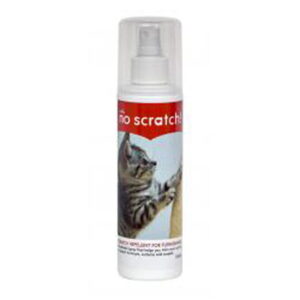
You could also try a No Scratch Spray as an alternative to covers.
Exploring Soft Claw Caps
If your cat is a persistent scratcher and other methods haven’t quite done the trick, soft claw caps are worth looking into. These are small, lightweight caps that fit over your cat’s claws, so even when they do scratch, they can’t cause any damage.
They come in a range of colours (if you fancy a bit of feline fashion), and they let your cat carry on with all their normal scratching, stretching, and climbing without leaving marks on your furniture.
You might want to consider them if:
- Your cat regularly scratches valuable furniture.
- You need a temporary solution while training takes effect.
- Other methods haven’t been quite enough on their own.
What are Soft Claw Caps?
Soft claw caps are small vinyl covers that slide over each of your cat’s claws. They act as a protective shield, so when your cat scratches, there’s no damage done. They’re a humane, painless option that lets your cat behave naturally without the consequences for your furniture.
How to Apply and Maintain Them
Applying claw caps is fairly simple once you get the hang of it. Start by trimming your cat’s claws, then use the pet-safe adhesive to stick each cap in place. They’ll need checking regularly, and you’ll want to replace any that fall off.
Here are a few tips to make it easier:
- Gently press your cat’s paw to extend each claw before applying.
- Add a small drop of adhesive inside the cap before sliding it on.
- Hold the cap in place for a few seconds to let it set.
Introducing Positive Reinforcement Training
When it comes to changing your cat’s behaviour, positive reinforcement is your best friend. Instead of telling your cat off for scratching the wrong thing, you reward them when they scratch the right thing. It’s a much kinder approach, and it actually works.
Timing is everything here. As soon as your cat uses their scratching post, give them a treat, a fuss, or a quick play session. They’ll quickly learn that the post leads to good things, and your sofa doesn’t.
Keep these things in mind:
- Be consistent. Reward the right behaviour every time, especially at first.
- Use rewards your cat actually gets excited about.
- Be patient. It takes time, but it’s worth sticking with.
Techniques for Rewarding Good Behaviour
Every cat is different, so the best reward depends on what yours enjoys most. Some cats go mad for treats, while others are more motivated by a chin scratch or a quick game with their favourite toy.
A few techniques to try:
- Offer a favourite treat or toy straight after they use the scratching post.
- Give them a fuss, a stroke, or some verbal praise.
- Start a short play session as a reward for good behaviour.
Examples of Positive Reinforcement Strategies
Positive reinforcement doesn’t need to be complicated. Small, consistent actions add up quickly. The key is making the scratching post feel like the obvious, rewarding choice.
Some simple strategies:
- Give a treat every time they use a scratching post instead of the furniture.
- Use a clicker to mark the exact moment they do the right thing.
- Follow up with gentle praise or a cuddle.
Soothe Your Cat’s Anxiety
If your cat’s scratching has ramped up recently, stress or anxiety could be behind it. Cats are sensitive creatures, and changes like a new pet, a new baby, building work, or even a shift in routine can leave them feeling unsettled.
Reducing your cat’s anxiety can often bring scratching back to normal levels. Here are a few things that help:
- Keep daily routines as consistent as possible.
- Make sure your cat has a quiet, safe space they can retreat to.
- Build in regular playtime to help them burn off nervous energy.
Calming Products and Plug-ins
If your cat needs a bit of extra support to feel settled, calming products can make a real difference. There are several options available that are designed to help cats relax naturally.
Options worth trying include:
- Pheromone diffusers that mimic natural calming scents.
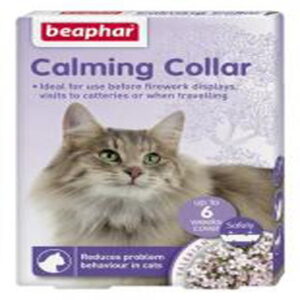
- Herbal calming collars that use ingredients like valerian and lavender.
- Soothing sprays for their bedding or favourite spots.
Creating an Enriching Environment for Your Cat
A happy, stimulated cat is far less likely to scratch your furniture. If your cat’s environment is a bit dull, they’ll find their own ways to stay entertained, and that usually means claws on things you’d rather they left alone.
Here are some easy ways to enrich their space:
- Set up cat trees or shelves so they can climb and explore.
- Rotate their toys regularly to keep things fresh and interesting.
- Use puzzle feeders to give their brain a workout at mealtimes.
Importance of Mental and Physical Stimulation
Keeping your cat’s mind and body active is one of the best things you can do for them. A cat that’s bored or under-stimulated is more likely to scratch, chew, and get into things they shouldn’t.
Simple ways to keep them stimulated:
- Introduce new toys on a regular basis.
- Use interactive toys like laser pointers or feather wands for daily play.
- Set aside a bit of time each day for focused playtime together.
Combining Toys and Scratching Areas
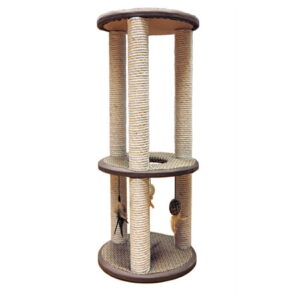
One of the cleverest things you can do is combine toys with scratching zones. Placing a dangling toy near a scratching post, for example, naturally draws your cat towards the post and encourages them to use it.
A few ideas to try:
- Scratching posts with built-in dangling toys or feathers.
- Cat condos that offer different textures and levels to explore.
- Interactive toys placed close to designated scratching areas.
You may also be interested in these articles…

How to Groom a Dog at Home: A Complete Step-by-Step Guide
Grooming your dog at home isn’t just about keeping them looking smart, it’s one of the easiest ways to catch health problems early. This complete guide covers brushing, bathing, nail trims, and ear care for every coat type, with tips for nervous dogs and advice on when it’s worth booking a professional groom instead.
What Is Cold Pressed Dog Food? A Complete Guide for UK Dog Owners

How to Stop Dogs Pulling on Their Leads: A Complete Guide

What Do Guinea Pigs Eat? A Complete Feeding Guide for UK Owners

Are Rabbit Ears Good for Dogs? The Complete UK Owner’s Guide
The Complete Guide to Bird Feeding in Your Garden

What to Do If Your Dog Eats Chocolate: Key Signs
We’ve all been there. You pop to the kitchen for two seconds, come back, and there’s your dog looking extremely pleased with themselves next to a shredded chocolate wrapper. Cue the panic. Do you know what to do if your dog eats chocolate?

Indestructible Dog Toys to Keep Pups Busy Indoors & Outdoors
Investing in indestructible dog toys is an investment in your dog’s well-being. Durable dog toys, tough chews, and fetch toys keep dogs physically active, mentally stimulated, and happy, both indoors and outdoors. At Newcastle Pets, every toy is carefully selected for its durability, safety, and engagement, so you can trust that your dog is getting the best.

Learn What The Best Joint Supplements for Dogs Are
Help your dog move freely and stay active with joint supplements for dogs at Newcastle Pets and give your pup the support they deserve today.