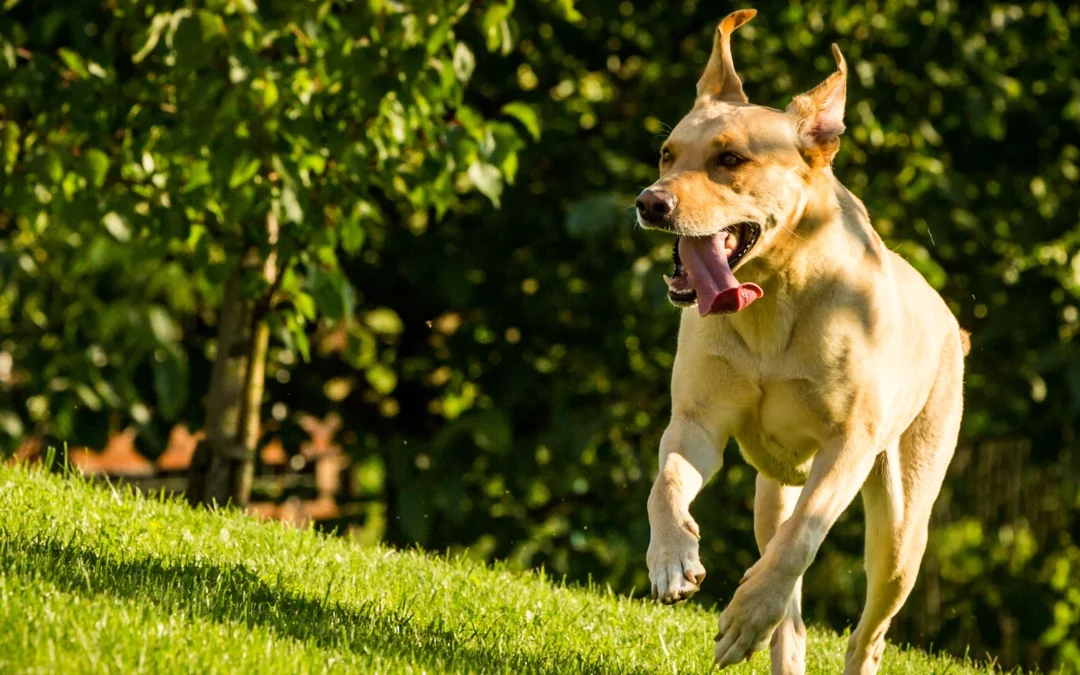
Why Some Dogs Benefit from Grain Free Dog Food
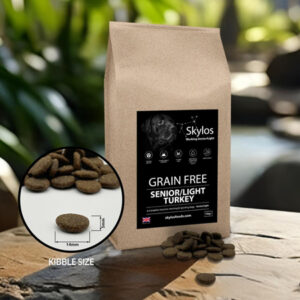
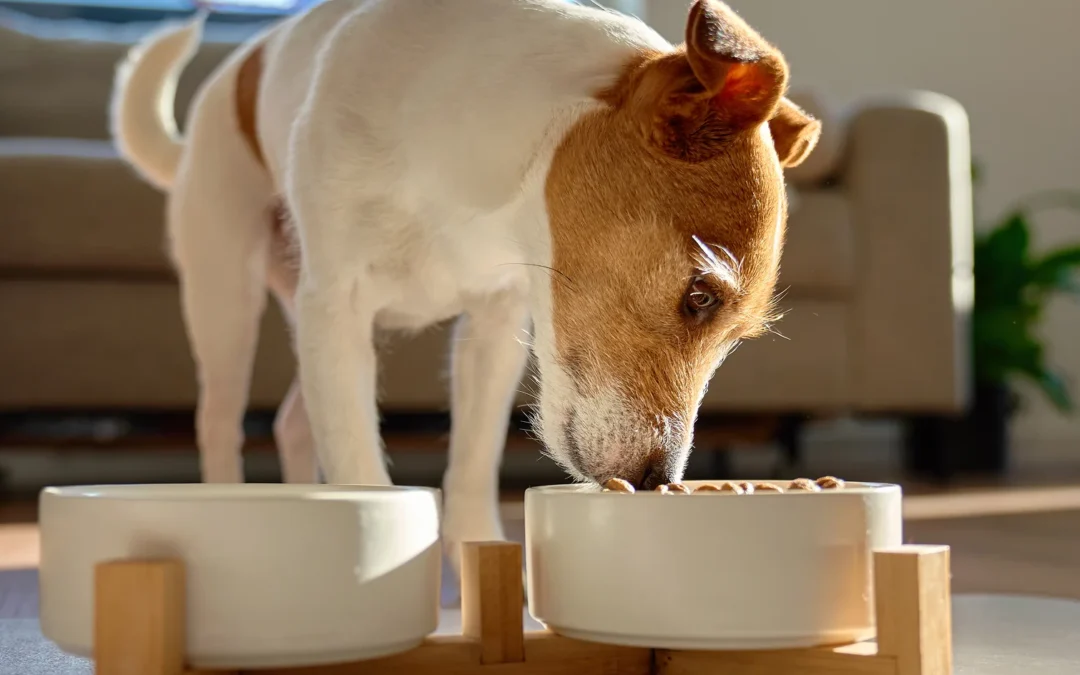
Grain free dog food is often chosen for dogs with sensitivities, but the advantages can go beyond that. Many owners notice improved digestion when switching from grain-based kibble to grain-free recipes, especially if their dogs have previously struggled with loose stools, gas or bloating. Without the grains that can sometimes irritate delicate stomachs, grain-free foods can be easier for some dogs to process, leaving them more comfortable after meals.
Another common improvement seen on grain-free diets is healthier skin and shinier coats. Grain-free recipes usually have a higher proportion of quality animal protein, along with omega fatty acids and natural oils that nourish the skin. Dogs prone to dry skin, dandruff or itchiness can sometimes see dramatic improvements once on a well-formulated grain-free food.
Grain-free foods also tend to use slow-release carbohydrates like sweet potatoes, which provide steady energy without spikes and dips. This can be especially helpful for working breeds or very active dogs who need long-lasting fuel throughout the day. Because many grain-free formulas avoid common allergens like wheat or maize, they can also reduce the risk of itchy skin, ear infections or paw licking that are sometimes triggered by grains. According to the Dogs Trust, choosing a diet that matches your dog’s age, lifestyle and sensitivities is essential to long-term health, and grain-free food can be one way to achieve this for the right dogs.
When to Consider Switching to Grain-Free
Grain-free food isn’t automatically better for every dog, and if your dog is thriving on their current diet there may be no reason to change. However, it can be worth exploring grain-free options if your dog often experiences:
digestive upsets
persistent itchiness
or recurring ear or skin problems
These symptoms can sometimes be linked to food sensitivities, and grains are one of the ingredients that can cause issues in susceptible dogs.
A lack of enthusiasm for their current food, unexplained weight loss or inconsistent stools can also be signs that their diet is not working as well as it should.
Before making a change, it’s sensible to speak with your vet, especially if your dog has any ongoing health concerns. If you do decide to switch, a gradual transition over the course of a week will help avoid stomach upsets as your dog adjusts to the new food.