Best Cat Litter: A Complete Guide for UK Cat Owners
Clumping or non-clumping? Clay, wood, paper or silica? We break down what actually matters in a cat litter, plus what’s genuinely safe for kittens and multi-cat homes.
Tap To Call Us


Brushing your dog’s teeth is one of those things that everyone knows they should be doing, but very few people feel confident they’re doing correctly or often enough. It sits in that awkward category of pet care that feels important, slightly intimidating, and very easy to put off until “tomorrow”.
Usually, tomorrow never comes.
So it’s no surprise that one of the most searched questions by dog owners is how often to brush a dog’s teeth, closely followed by variations like how often to brush a dog’s teeth and how often you are supposed to brush a dog’s teeth. The fact that so many people are asking tells you everything you need to know. You’re not behind. You’re not failing. You’re just trying to work it out.
Dogs don’t brush their own teeth, and chewing alone doesn’t do the job people hope it does. Every day, a sticky film of plaque forms on your dog’s teeth. Left alone, that plaque hardens into tartar, which sits along the gumline and irritates the gums.
Once tartar is present, brushing becomes far less effective, and problems start to develop quietly. Gum disease doesn’t announce itself loudly. It builds slowly, often without obvious signs, until discomfort, infection and tooth loss follow.
Dental disease is more than a mouth issue. Bacteria from infected guns can enter the bloodstream and affect organs like the heart, liver and kidneys. That’s why vets take dental care so seriously, even when dogs seem fine on the surface.
If we’re talking about ideal conditions, brushing your dog’s teeth every day is the most effective way to prevent plaque buildup and gum disease. Daily brushing stops plaque from hardening and keeps gums healthier over time.
In reality, daily brushing isn’t always achievable, especially in the early stages. That doesn’t mean it’s pointless to try. Brushing three to four times a week still helps significantly. Even brushing twice a week is better than leaving teeth completely unattended.
What matters most is regularity. Long gaps between brushing sessions allow plaque to harden, which is where problems start. Short, frequent sessions are far more valuable than occasional, intensive efforts.
Not all dogs are affected equally when it comes to dental health. Smaller breeds often have crowded teeth, which makes it easier for plaque to get trapped. Flat-faced breeds can struggle with tooth alignment, increasing the risk of gum disease. Dogs that prefer softer food can also experience more plaque buildup than dogs who regularly chew.
Age plays a role, too. Puppies don’t start with dental problems, but the habits you build early matter. Senior dogs often need more support as years of plaque accumulation begin to show.
If your dog has had dental issues before, brushing becomes even more important. Once gum disease starts, it’s much easier for it to return without consistent care.

The early stages of dental disease are easy to miss. Mild gum inflammation doesn’t always cause obvious pain. Over time, inflammation worsens, gums recede, and bacteria settle below the gumline.
Eventually, this can lead to loose teeth, abscesses and chronic discomfort. Dogs may start chewing differently, avoiding certain foods or becoming irritable without an obvious cause. By this stage, brushing alone won’t resolve the issue, and professional dental cleaning is usually required.
Regular brushing dramatically reduces the chance of things progressing this far.
This is another common question, and the honest answer is that nothing works as well as brushing. Dental chews, toys and specially formulated diets can help reduce plaque, but they don’t remove it consistently from the gumline, which is where disease starts.
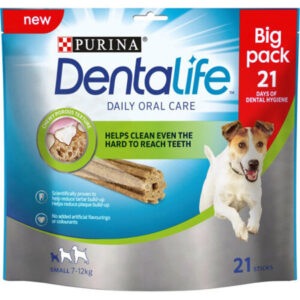
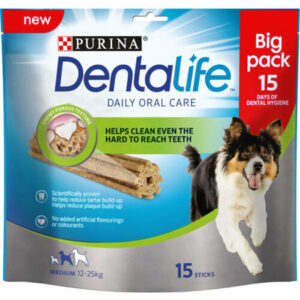
That doesn’t mean they’re useless. They’re valuable support tools, especially for dogs that are learning or struggling with brushing. Used alongside brushing, they can slow plaque buildup and improve overall dental health.
Used on their own, they’re unlikely to fully prevent dental disease.

One of the biggest barriers to regular brushing is the assumption that it needs to be perfect. It doesn’t.
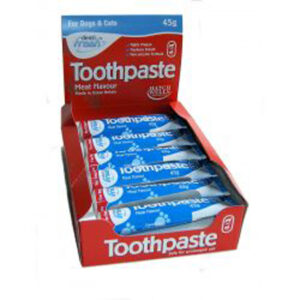
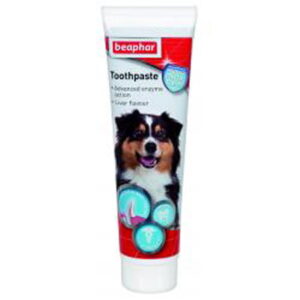
Brushing dog teeth works best when it’s calm, quick and low pressure. Dog-specific toothpaste is essential, as human toothpaste contains ingredients that aren’t safe for dogs. Letting your dog get used to the taste and sensation gradually helps reduce resistance over time.
You don’t need to brush every tooth. Focusing on the outer surfaces along the gumline is enough to make a difference. Even brief sessions count, especially when done regularly.
It’s very unlikely that you’ll harm your dog by brushing their teeth daily, provided you’re using appropriate tools and gentle pressure. Overbrushing with excessive force can irritate the gums, but this is rare.
That much more common issue is underbrushing or avoiding it altogether because it feels difficult.
If your dog has heavy tartar, inflamed gums or shows signs of pain, brushing alone may not be enough. In these cases, it’s best to speak to your vet before starting or changing a dental routine.
Professional dog teeth cleaning may be recommended to remove hardened tartar safely. Once that’s done, regular brushing helps maintain the results and reduce the need for repeat procedures.
The most honest answer is this: as often as you realistically can, consistently.
Daily brushing offers the best protection. Brushing several times a week still makes a meaningful difference. Doing nothing leaves dental disease free to develop quietly.
Dog dental care isn’t about perfection or guilt. It’s about small, regular actions that protect your dog from discomfort later in life.
Your dog may never thank you for brushing their teeth. But their future health will.
Clumping or non-clumping? Clay, wood, paper or silica? We break down what actually matters in a cat litter, plus what’s genuinely safe for kittens and multi-cat homes.

Can dogs eat pancakes? It sounds like a simple question, especially when those pleading eyes are watching you at the breakfast table. But the answer isn’t as straightforward as you might think. From hidden ingredients to dangerous toppings, there are a few important things every dog owner should know before sharing even a small bite.

Learn how to keep your cat warm, safe and happy during the cold winter months. Expert tips for indoor comfort, outdoor shelter, diet and senior cat care.

Can cats drink milk safely? Learn why milk can cause upset stomachs, gas and vomiting in cats, plus safer alternatives and expert advice from Newcastle Pet Supplies.

Pet Odour Candles are specially formulated enzyme products, designed to attack and remove odours while smelling fantastic