What Makes the Best Cat Litter for Your Cat?
The best cat litter for your cat balances five things: odour control, dust level, comfort underfoot, safety, and how easy it is to keep clean. No single litter wins on every count, so the right choice depends on your cat’s preferences and your household’s priorities.
Cats are particular about where they go to the toilet, and research backs this up. A study published in the Journal of Veterinary Behavior found that cats show a clear preference for fine, sand-like textures such as clay or silica over coarser wood pellets. That doesn’t mean wood or paper litters are a bad choice, plenty of cats use them happily, but it does explain why a cat might turn its nose up at a new litter even if it ticks every other box on paper.
Before you buy, think about what matters most in your home. If you’re sensitive to smells, odour control probably comes first. If anyone in the house has allergies or asthma, a low-dust option matters more. If you’ve got a kitten, safety takes priority over everything else, more on that shortly.
Clumping vs Non-Clumping Cat Litter: What’s the Difference?
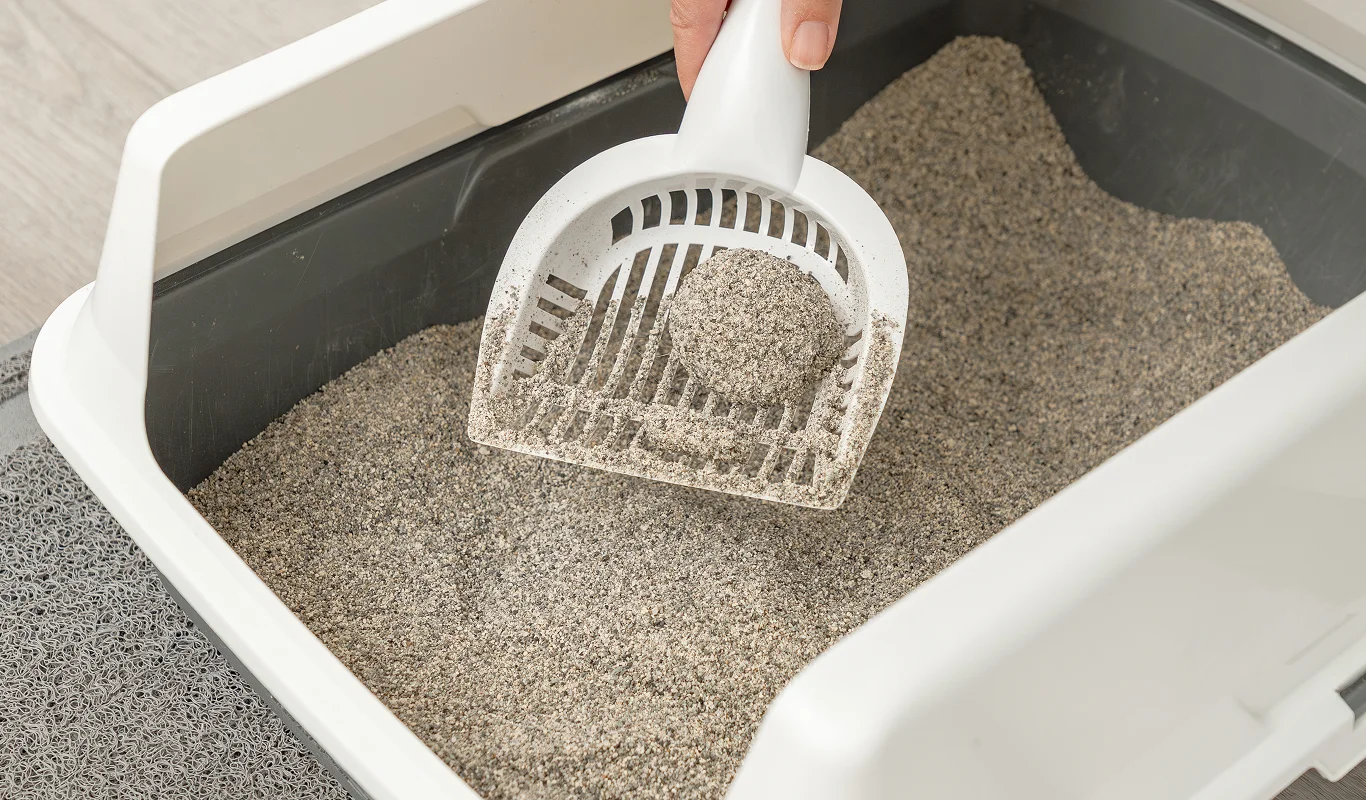
Clumping litter forms solid clumps around wet patches, so you can scoop out just the soiled bit and top up the rest. Non-clumping litter absorbs moisture without forming clumps, which means the whole tray needs emptying and refilling more often, usually every few days rather than every few weeks.
This is the single biggest decision you’ll make when choosing cat litter, and it affects almost everything else: how often you clean the tray, how much litter you get through, and even which materials are available to you.
Clumping litter tends to win on convenience. Because you’re only removing the soiled clump each day, a bag lasts longer and the tray stays fresher between full changes. The trade-off is that clumping litters, particularly clay-based ones, can be dustier and heavier to carry home.
Non-clumping litter needs a full change more frequently, often two to three times a week, but it tends to be lighter, cheaper per bag, and includes some of the lower-dust, more eco-friendly materials on the market.
Interestingly, the UK has traditionally leaned towards non-clumping litter far more than some other markets, where clumping clay dominates. That’s slowly shifting as more plant-based clumping options appear, but plenty of UK cat owners still get on perfectly well with a simple non-clumping wood or paper litter.
Which One Should You Choose?
Choose clumping litter if convenience and infrequent full changes matter most to you. Choose non-clumping if you’d rather avoid clay dust, want a lighter bag to carry, or have a kitten who might still be tempted to nibble their litter.
Cost evens out over time either way. Clumping litter costs more per bag but lasts longer between changes, while non-clumping is cheaper upfront but gets through more litter overall.
The Main Types of Cat Litter Explained
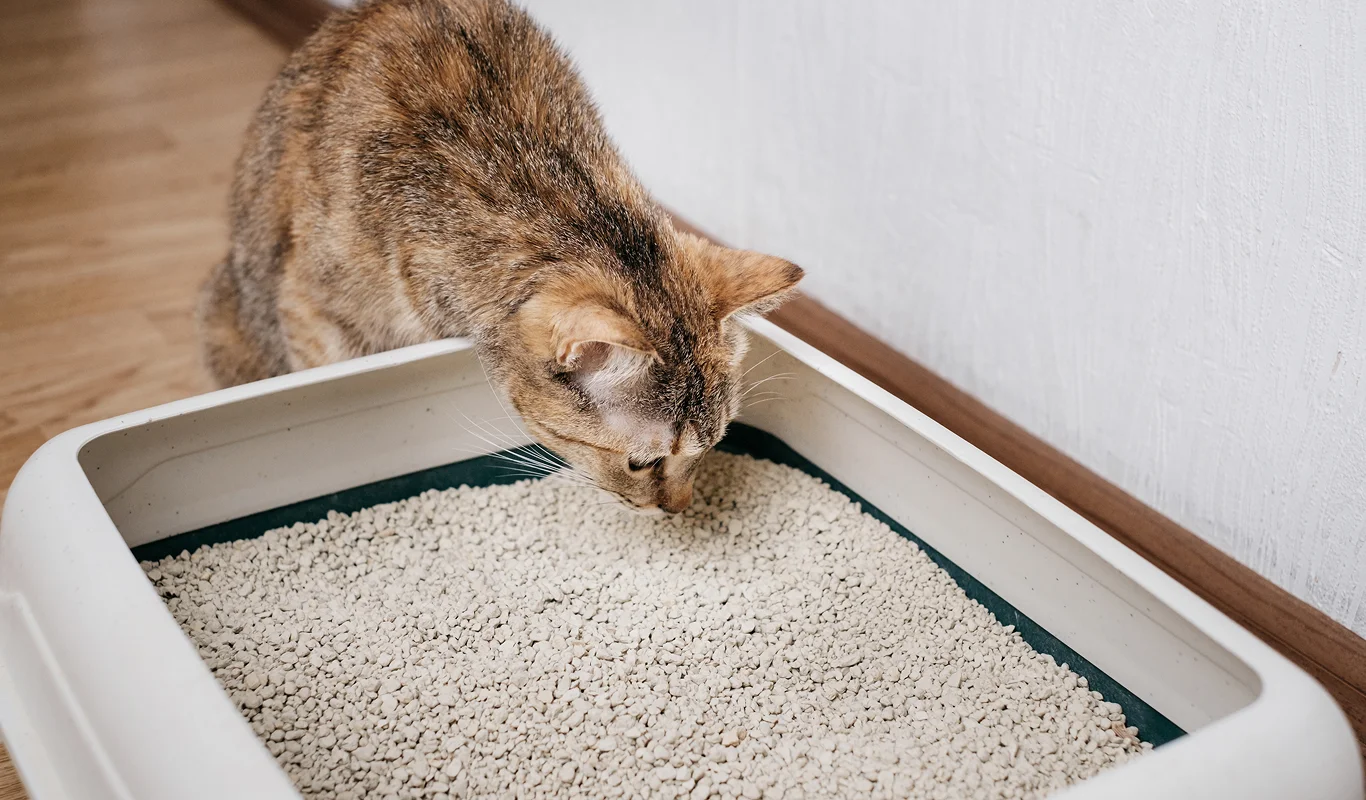
Cat litter is generally made from clay, wood, paper, silica crystals, concrete or mineral blends, or plant-based materials like tofu and corn. Each has a different balance of absorbency, dust, odour control, cost and environmental impact, so the “best” material really depends on what you’re optimising for.
Here’s how the main materials compare.
Clay and Bentonite Litter
Clay litter, usually made from sodium bentonite, is the traditional choice and still one of the most widely used in the UK. It’s highly absorbent, clumps well, and controls odour effectively, but it can be dusty and isn’t biodegradable.
Bentonite clay swells when it comes into contact with moisture, which is what creates that solid clump. It’s affordable and easy to find, and most cats take to its sandy texture without any fuss, largely because it’s closest to what their wild ancestors would have used. The downsides are weight (a bag of clay litter is heavy work to carry home) and dust, some of which can contain crystalline silica. Long-term exposure to high levels of this kind of dust is linked to a lung condition called silicosis, mostly seen in industrial settings, though it’s still sensible to choose a low-dust formula if anyone in the house has respiratory issues [Source: NHS, Silicosis].
Wood Pellet Litter
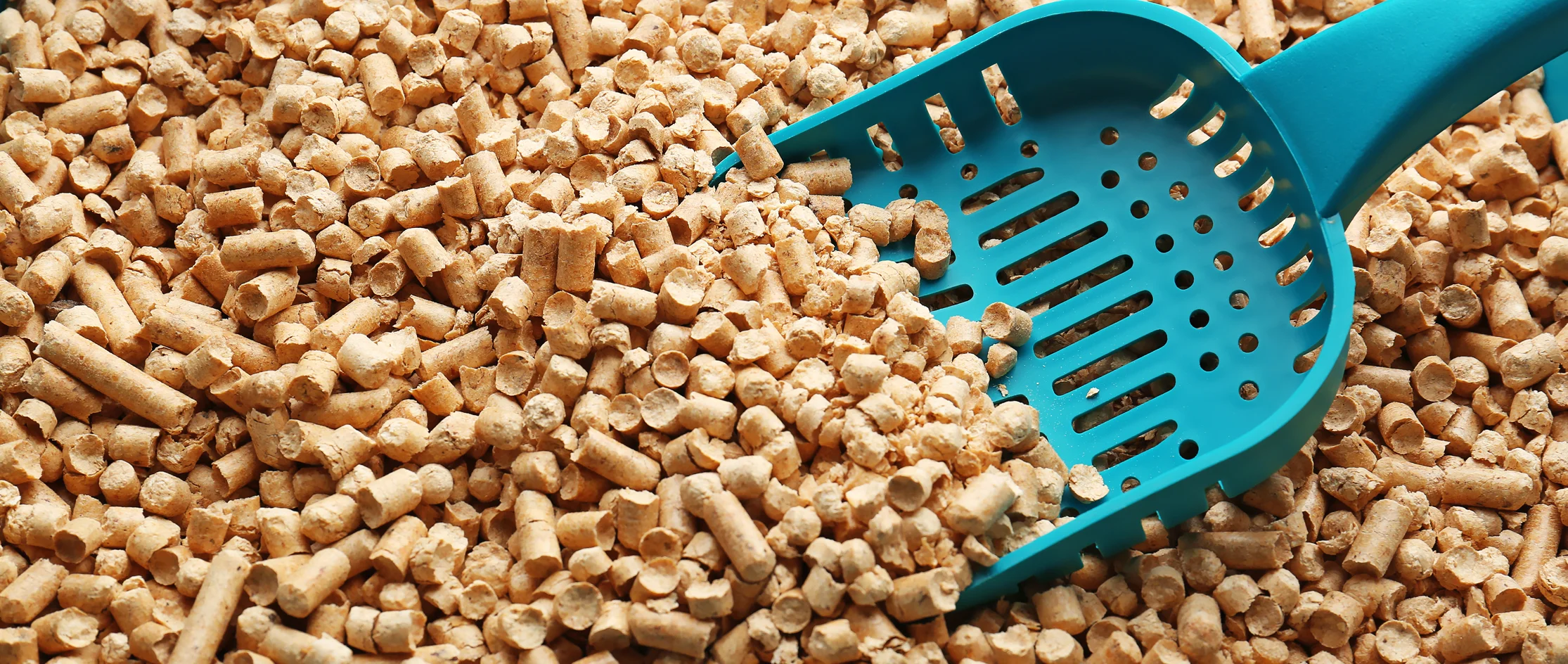
Wood pellet litter is made from compressed sawdust, usually pine or softwood, and is typically non-clumping. It’s lightweight, biodegradable, and produces very little dust, making it a popular choice for owners who want a more natural option.
As the pellets absorb moisture, they break down into a sawdust-like texture at the bottom of the tray, which is your cue that it’s time for a scoop. Our Trust Premium Wood Pellet Cat Litter is FSC-certified and sourced entirely from UK wood. It’s non-clumping, so it’ll need a full tray change more often than a clumping litter, but it’s a solid, low-dust option that most cats adjust to quickly.
Trust Premium Wood Cat Litter
Concrete and Mineral Litter
Concrete-based litter is a newer, less common option in the UK market, valued for very strong odour control and absorbency. It’s a mineral-based, non-clumping formula that suits owners looking for something different from standard clay or wood.
It’s not a material you’ll see mentioned often in general buying guides, but it’s worth knowing about if clay dust or wood scent aren’t working for your cat. Our Felight Concrete Cat Litter 10L is one example, built specifically around odour control and absorbency rather than trying to compete with clumping clay on convenience.
Paper Litter
Paper litter, made from recycled paper compressed into pellets or granules, is soft on paws, low dust, and fully biodegradable. It’s non-clumping, so it absorbs moisture without forming solid clumps, and needs replacing more often as a result.
It’s a good option for cats with sensitive paws or respiratory issues, and because it’s made from recycled material, it tends to appeal to owners looking for a lower environmental footprint. The trade-off is that odour control is a little weaker than clay or silica, since spoiled litter can sink and sit at the bottom of the tray rather than clumping away from the clean litter.
Silica Crystal Litter
Silica crystal litter absorbs moisture and odour into small beads, lasting longer between full changes than clay while producing very little dust. It’s non-biodegradable and tends to sit at the pricier end of the market.
Because the crystals trap liquid so effectively, a single tray can go two to three weeks before needing a full change, provided you scoop out solid waste daily. Some cats dislike the harder texture underfoot compared with clay or wood, so it’s worth introducing it gradually rather than switching overnight.
Plant-Based Litter (Tofu and Corn)
Plant-based litters made from tofu, corn or wheat by-products offer strong clumping with very low dust and full biodegradability. They’re often the most expensive option per litre, but many owners find the lighter bags and eco credentials worth the extra cost.
These litters have grown quickly in popularity in the UK over the last few years, largely because they clump almost as well as clay while being safe to compost. Some are even flushable in small quantities, though it’s always worth checking with your local water provider first, as not all UK wastewater systems are designed to handle pet waste.
Is Cat Litter Dust Something to Worry About?
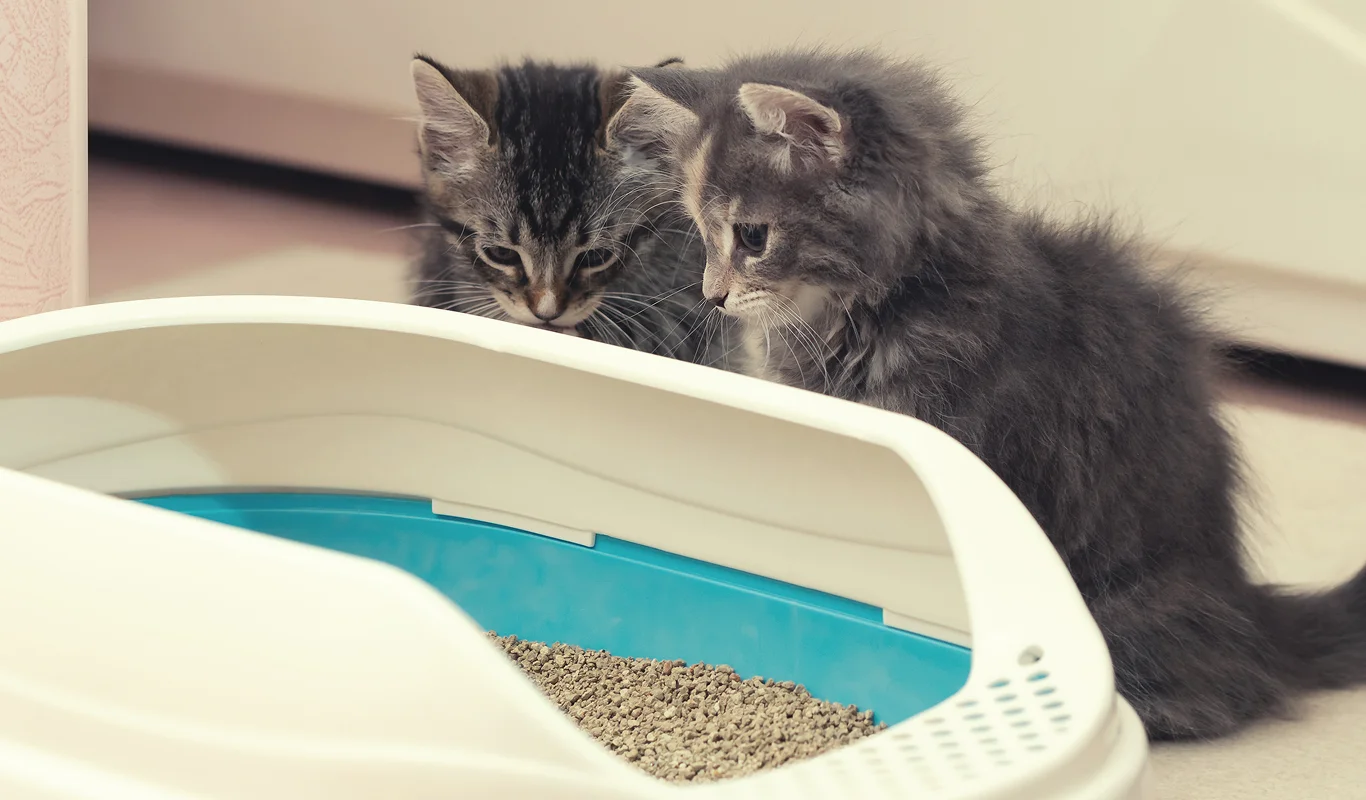
Dust from cat litter, particularly clay-based varieties, can settle on floors and furniture and may irritate sensitive lungs, in cats and people alike. Choosing a low-dust formula, such as wood, paper, or a dust-extracted litter, reduces this risk considerably.
Every time litter is poured or a cat digs in the tray, fine particles can become airborne. This is more of an ongoing household nuisance for most owners, but it’s worth taking seriously if anyone in the home has asthma or a respiratory condition, or if your cat has ever shown signs of breathing difficulty. Products designed with dust extraction in mind are worth considering even for adult cats if dust is a concern, not just kittens.
What’s the Best Cat Litter for Kittens?
The best cat litter for kittens is a non-clumping, unscented option with larger, dust-extracted granules, such as paper or wood pellet litter. Kittens explore with their mouths, and clumping clay litter can swell inside their stomach if swallowed, which is a genuine health risk.
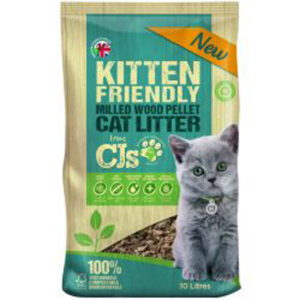
Most vets and welfare organisations recommend avoiding clumping litter until a kitten is at least a few months old and reliably past the stage of nibbling everything in sight. International Cat Care also notes that litter preferences form early in kittenhood, so whatever material you introduce first is likely to become your cat’s lifelong preference. Our CJ’s Kitten Wood Litter was developed specifically for this stage: it’s a milled wood pellet with no additives, dust-extracted to protect developing lungs, and sized so smaller paws can move it easily during litter training.
What’s the Best Cat Litter for Multiple Cats?
For multi-cat households, a clumping or silica litter with strong odour control is usually easiest to manage, alongside enough litter trays for the number of cats in the home. As a rule, provide one tray per cat plus one extra.
This “one per cat, plus one” rule comes from feline behaviour research and is echoed by International Cat Care: cats can be surprisingly territorial about resources, including where they go to the toilet, and a shortage of trays is one of the most common reasons for house-soiling in multi-cat homes. Beyond tray numbers, a litter with strong, fast odour control matters more with several cats sharing the same space, since smells build up quickly. If you’re managing more than one tray, our Birba Large Litter Tray With Rim gives extra cats room to dig and turn comfortably without kicking litter over the edge.
Birba Large Litter Tray With Rim
How Often Should You Change Cat Litter?
How often you should change cat litter depends on the type: clumping litter usually needs a full change every two to four weeks with daily scooping, while non-clumping litter needs replacing every few days to a week.
Daily scooping is non-negotiable whichever litter you use, cats are far more likely to avoid a soiled tray altogether than to tolerate it. Beyond that, let your nose and your cat’s behaviour guide you: if odour is building up before the “standard” change date, or your cat starts toileting elsewhere, it’s time for a full clean regardless of the calendar. A litter freshener sprinkled between changes can help extend the gap without masking problems you should really be addressing with a proper clean.
Don’t Forget the Litter Tray Itself
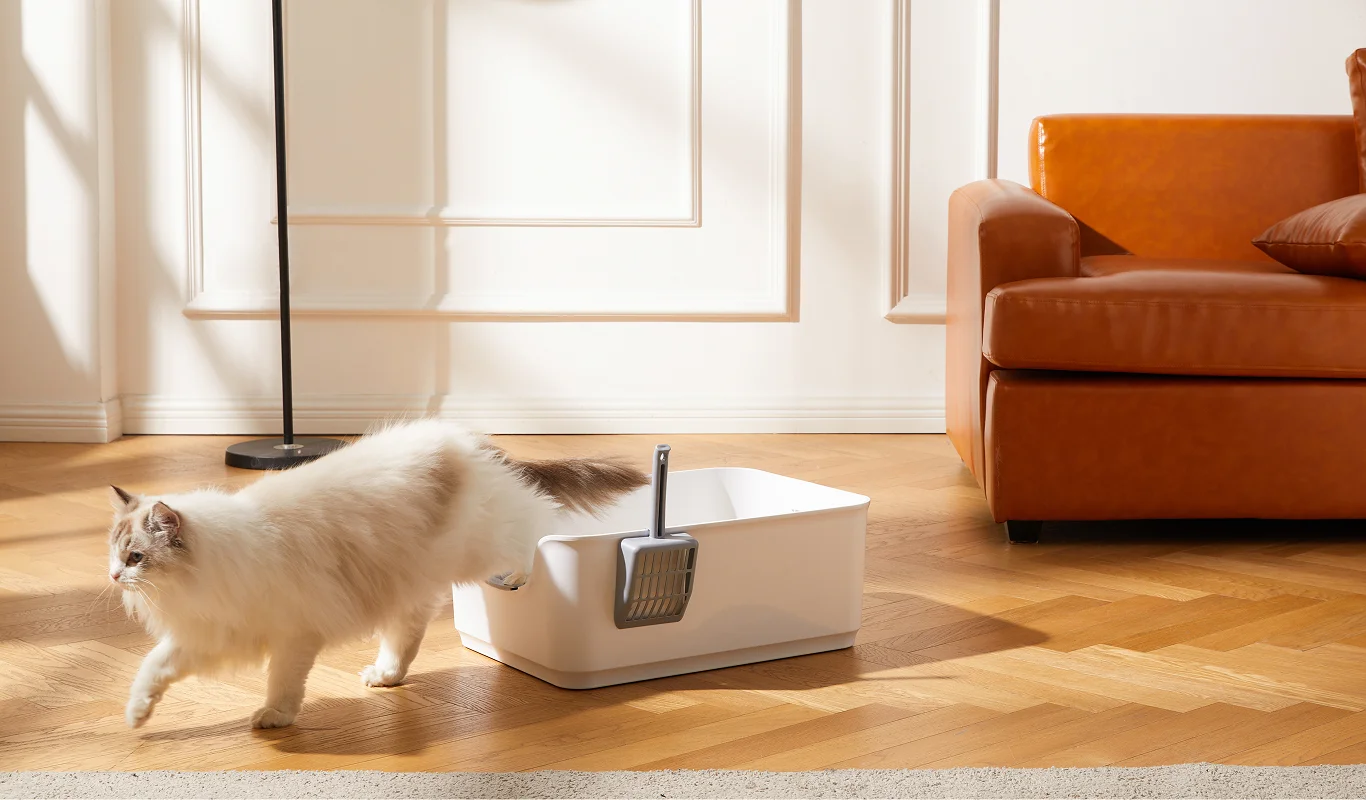
The right litter only works well in the right tray. As a guide, the tray should be about one and a half times your cat’s body length, giving them room to turn, dig and cover comfortably.
A tray that’s too small is one of the most overlooked reasons cats avoid using it altogether, according to International Cat Care. Compostable liners, such as our Good Boy Clean & Kind Litter Tray Liners, can make weekly changes quicker without adding plastic waste. And if you’re setting up an indoor tray for the colder months, our guide to keeping cats warm in winter covers where to position it for the best results.
Best Cat Litter for Every Need: Quick-Reference Picks
There’s no single best cat litter for every cat, but matching material to your priority makes the decision much easier. Here’s a quick reference for common needs, using options from our own range where they fit.
| Your Priority |
Best Litter Type |
Try This |
| Low dust, everyday use |
Wood pellet |
Trust Premium Wood Pellet Cat Litter |
| Strong odour control |
Concrete or mineral |
Felight Concrete Cat Litter 10L |
| New kitten |
Non-clumping, dust-extracted wood |
CJ’s Kitten Wood Litter |
| Eco-friendly, biodegradable |
Wood pellet |
Sanicat Beauticat Cat Litter |
| Multiple cats |
Larger tray, strong odour control |
Birba Large Litter Tray With Rim |
These are starting points rather than hard rules; your cat’s personal preference always has the final say. If you’re switching from a different litter, mix the new one in gradually over a week or two rather than swapping overnight. Most cats are creatures of habit, and a sudden change is the quickest way to end up with a tray they refuse to use.
Final Thoughts
There’s no universal best cat litter, only the litter that suits your cat’s habits, your household’s priorities, and how much time you want to spend on tray changes. Start with what matters most to you, whether that’s low dust, low odour, or kitten safety, and let your cat’s reaction guide the rest.
If you’d like a hand narrowing things down, drop into our Newcastle Pet Supplies store on the High Street or browse our full range of cat litters and toilets online. We’re always happy to talk through what’s worked for other local cat owners.